.svg)





Belgium F1 tickets: is General Admission worth it?
December 17, 2025

If you've ever compared F1 tickets from different races on the calendar, you've undoubtedly noticed that some are reasonably priced, while others resemble luxury festivals rather than athletic events.
That isn't arbitrary, and "popularity" isn't the only factor. Local economics, circuit capacity, event expenses, and how each Grand Prix is marketed and sold all influence Formula 1 ticket prices. In reality, each race has its own market.
This article explains the true reasons why F1 ticket prices differ so much between circuits, along with useful examples and advice to help you make more informed purchases.
A Grand Prix does not have a single worldwide ticket model like a touring concert. A local promoter, who is in charge of organizing the event at that particular circuit, oversees the majority of races and bears significant operational responsibilities and expenses.
In the meantime, the financial relationship and local deal structure are important because Formula 1's business model depends on fees paid by race promoters.
The reason for the significant price disparities is that, although the "F1 experience" is worldwide, the ticket market is local.
Some promoters run races with significant public support or long-term infrastructure advantages; others have to recover more of their event costs through ticketing.
Those costs can include:
If the cost base is higher (or the promoter has less outside support), the pressure to price higher is usually stronger.
Two circuits can have the same level of demand but very different ticket inventory.
Prices tend to be higher when:
This is why some venues feel “pricey even for average seats”: there simply aren’t many average seats.
Demand differs by:
Some races can price like a “once in a lifetime” trip because a large portion of buyers treat it that way.
Not all races price the same way over time.
Some promoters use demand-based or phased pricing, where the cheapest allocations go first and later allocations cost more.
What that means for fans:
This also explains why comparing screenshots from friends can be confusing: you’re often comparing different pricing phases.
Some Grand Prix events are supported because they function as destination marketing. Others operate with little to no subsidy and still need to fund major venue improvements.
You don’t need to take a political view on this to understand the ticket outcome: different funding models create different pricing pressure.
Permanent circuits have fixed infrastructure. Street circuits often require large-scale temporary build-out and then teardown — seating, barriers, Hospitality structures, transport plans, and more.
Even without going “full finance,” the logic is simple:
A huge source of confusion is that headline prices aren’t always comparable across countries and sellers.
Differences often come from:
Reader takeaway: Always compare the all-in checkout price, not just the headline.
Some events sell a large number of affordable General Admission tickets, creating a low entry point. Others are more premium-heavy, with:
Even if you never plan to buy premium products, premium-heavy ticket mixes can pull the “typical” price perception upward.
Promoters adjust based on:
So even if a race was “cheap” in one season, that doesn’t guarantee the same positioning the next.
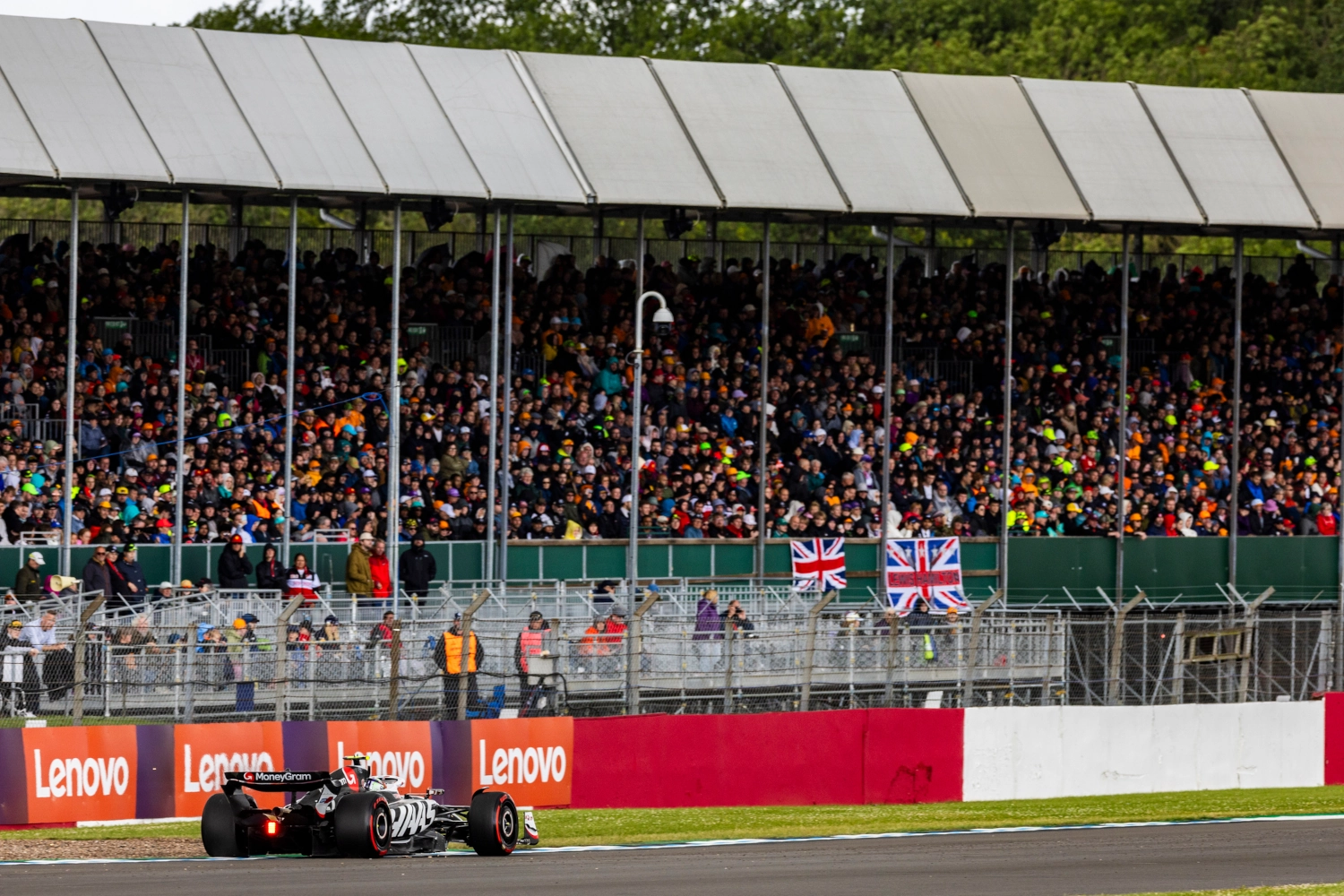
Silverstone is a good example of a major race where pricing is closely tied to demand, capacity, and ongoing reinvestment into the venue.
What it shows: Pricing isn’t only about demand — it’s also about funding operations and long-term upgrades.
Las Vegas shows how a race can lean heavily into tiers, experiences, and infrastructure complexity, with a lot of attention on segmented products (including different days and zones).
What it shows: The “type of event” positioning can reshape pricing more than the circuit layout alone.
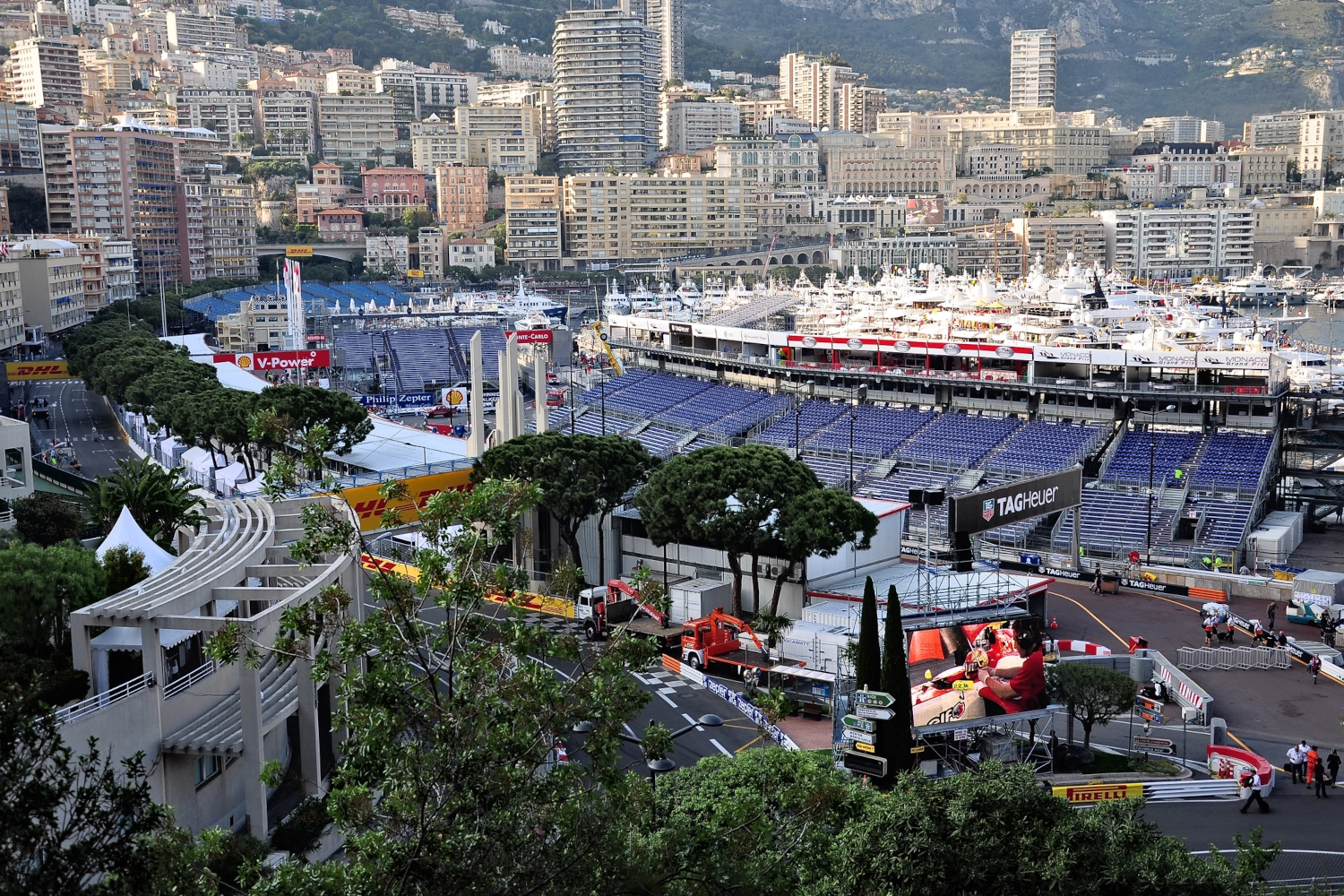
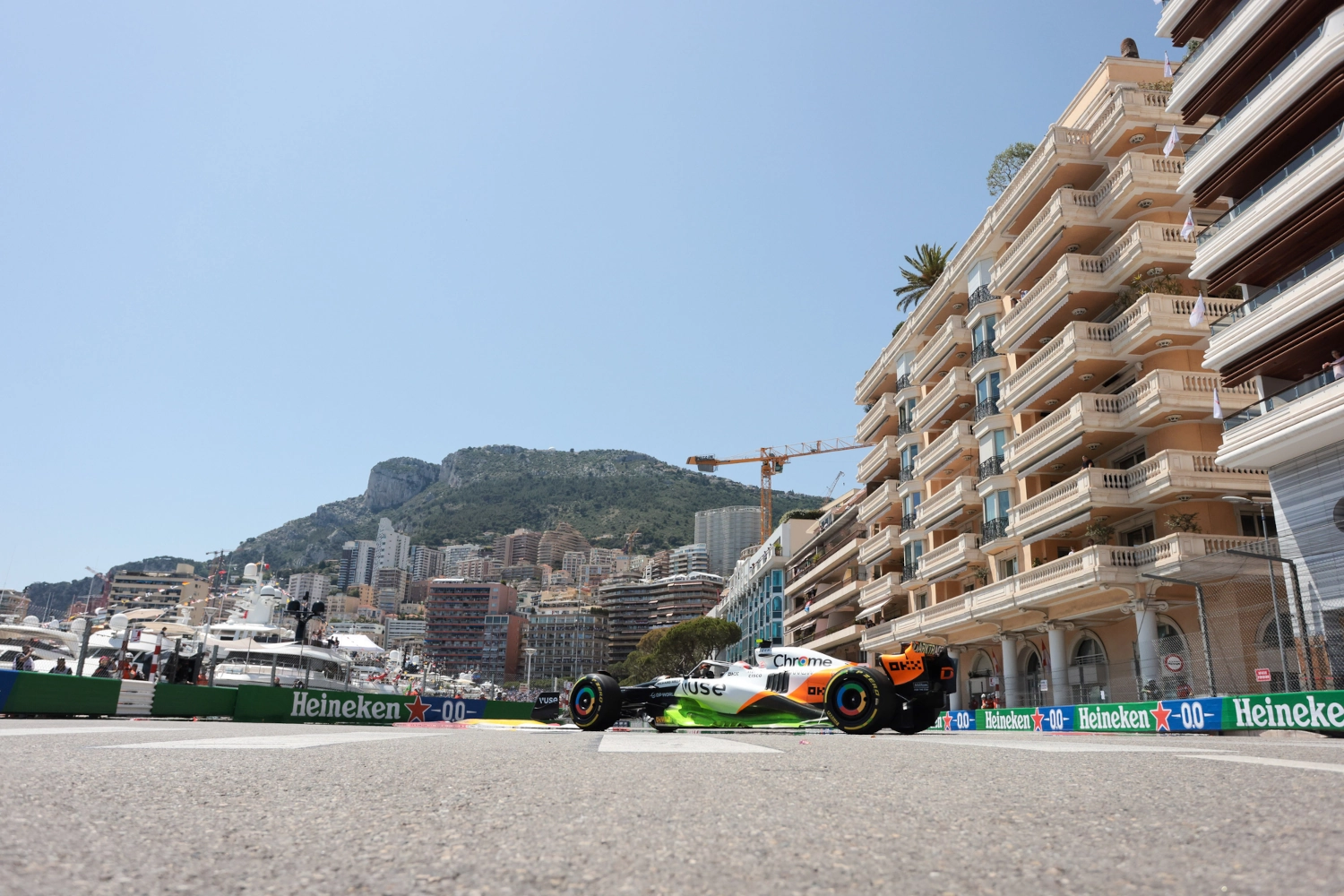
Monaco’s physical constraints make “good inventory” extremely limited. Even without getting into hype, scarcity is baked in.
What it shows: Some races are structurally limited in capacity, which tends to keep prices high.
A Grandstands ticket at one circuit may offer a screen, better sightlines, and more comfort than a Grandstands ticket elsewhere — and that affects value more than the label.
If your goal is to be at F1 without paying the maximum, multi-day choices matter. Many races price Sunday highest; some fans choose cheaper days for atmosphere and track access.
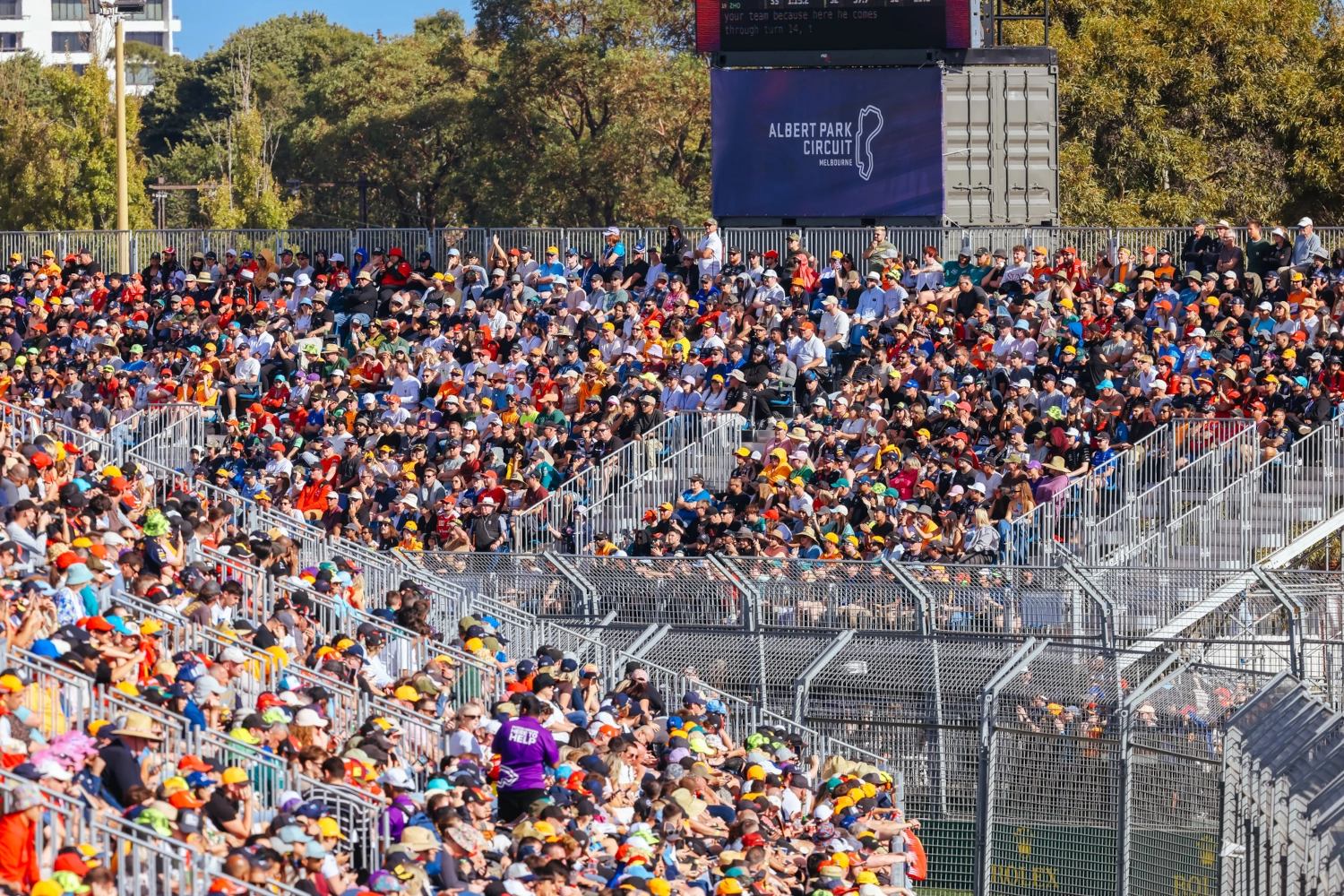
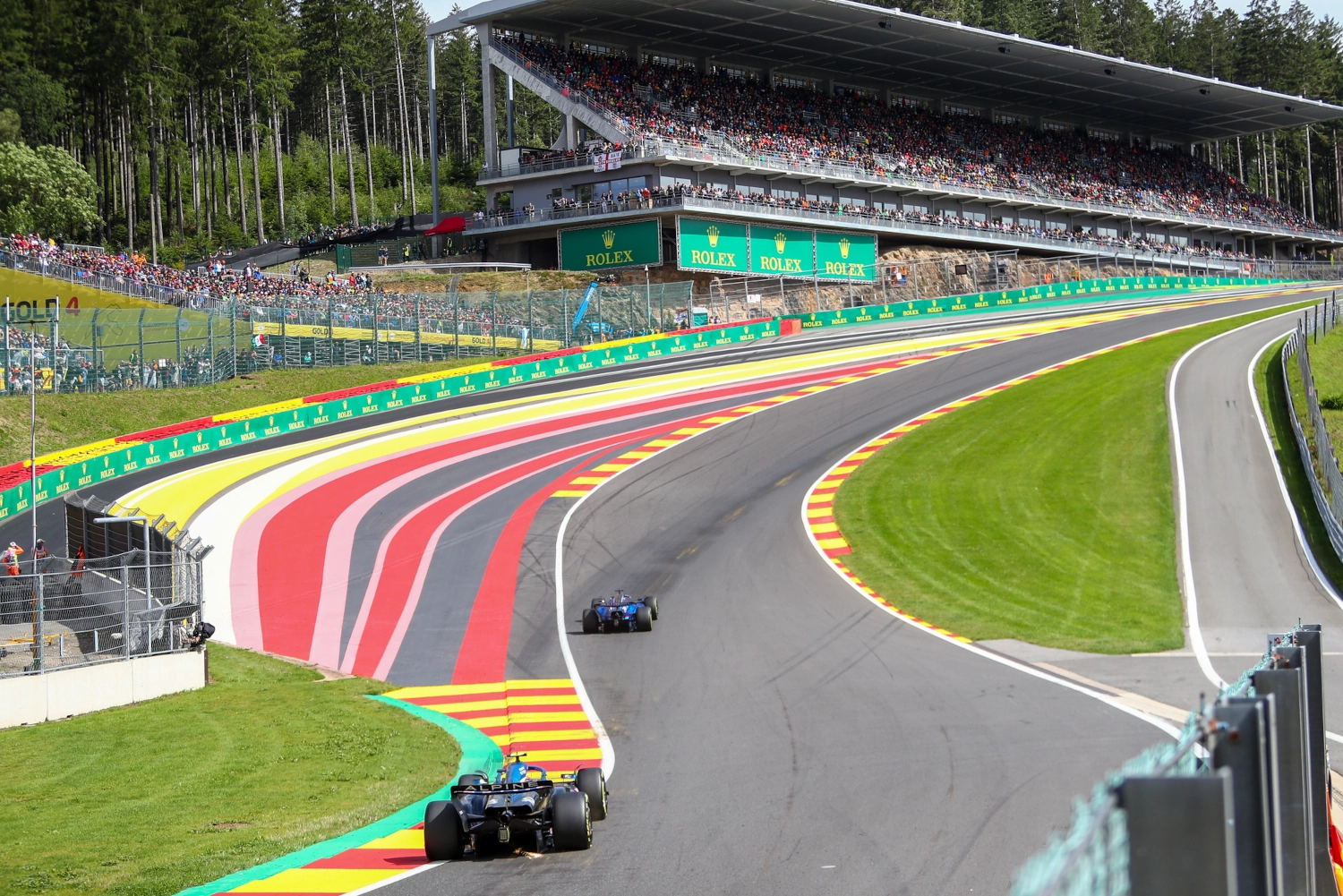
At elevation-heavy venues (a classic example is Spa), General Admission can be strong value because natural viewing banks exist. At flatter tracks with limited General Admission sightlines, it can be less satisfying.
If you’re comparing sellers or countries, currency conversion and fees can swing totals more than people expect. Always compare final checkout totals.
Resale listings can reflect scarcity — but also carry higher fees and less predictable value. Make sure you understand what’s included and what protections exist.
The simplest method to assess value when choosing between races (or trying to figure out why one weekend is more expensive than another) is to compare like-for-like: General Admission vs. Grandstands vs. Hospitality, per race, with a clear view of what's available and what you get.
In order to select the circuit and ticket type that best suits your budget and desired experience, Fastway1 assists you in comparing ticket options across F1 races and ticket partners.
Q: What makes Fastway1.com different from other ticket sellers?
A: Fastway1.com is the only Formula 1 ticket aggregator globally, offering a comprehensive search engine that compiles ticket data from multiple sellers to help fans find available tickets, even when others are sold out.
Q: How does Fastway1.com ensure ticket authenticity?
A: Fastway1.com partners only with established resellers and screen all our partners. However, we do not directly confirm the authenticity of tickets.
Q: Can I purchase tickets directly from Fastway1.com?
A: No, Fastway1.com does not sell tickets directly. Instead, it provides a platform for users to compare prices and availability from partner seller websites, where the actual purchase is completed.
Q: What types of tickets can I find on Fastway1.com?
A: Fastway1.com offers comprehensive listings for various F1 ticket categories, allowing users to filter searches by race and ticket type to find the best options for their needs.
Q: Does Fastway1.com offer any additional services?
A: Not directly, but Fastway1.com has partnered with Booking.com to provide hotel booking options at Booking.com, making it easy for fans to plan their entire Formula 1 experience.
Q: Is Fastway1.com affiliated with Formula 1?
A: Fastway1.com is not affiliated with, endorsed by, or in any commercial partnership with Formula 1 or its associated companies. It operates independently to provide a valuable service to F1 fans.
Q: How can I contact Fastway1.com for support?
A: For any inquiries or support, you can contact Fastway1.com via email at info@fastway1.com. The customer support team aims to respond within 24 hours.
Q: What are the future plans for Fastway1.com?
A: Fastway1.com plans to expand its services beyond ticket sales, including a travel builder tool for planning trips and a future mobile app focused on simplicity and speed. The company also aims to increase partnerships with Formula 1 teams and race organizers.