.svg)





How championship battles impact F1 ticket demand
December 27, 2025

You've witnessed peak demand in action if you've ever seen ticket availability fluctuate quickly, prices rising, the best sections vanishing, "Sold Out" banners appearing.
It's crucial to understand that demand for F1 tickets doesn't peak all at once. Depending on how the promoter sells tickets, how travel arrangements are made, and what's going on during the season, demand for most races comes in predictable waves. These peaks are becoming more regular throughout the calendar as Formula 1 reports record attendance and numerous sold-out events.
Here's when demand for F1 tickets usually peaks and what that actually looks like.
For many races, the biggest surge happens the moment tickets go on sale—especially when the promoter runs an Early Bird offer.
Why this creates peak demand:
Some promoters publicly market limited-time Early Bird windows, which naturally concentrates demand into the first days of sales.
What you’ll notice: Fast sell-through in popular Grandstands, and “from” prices disappearing early.
Not every race sells tickets as a simple first-come drop. Some use applications, allocations, or planned batch releases, which creates multiple peaks throughout the year.
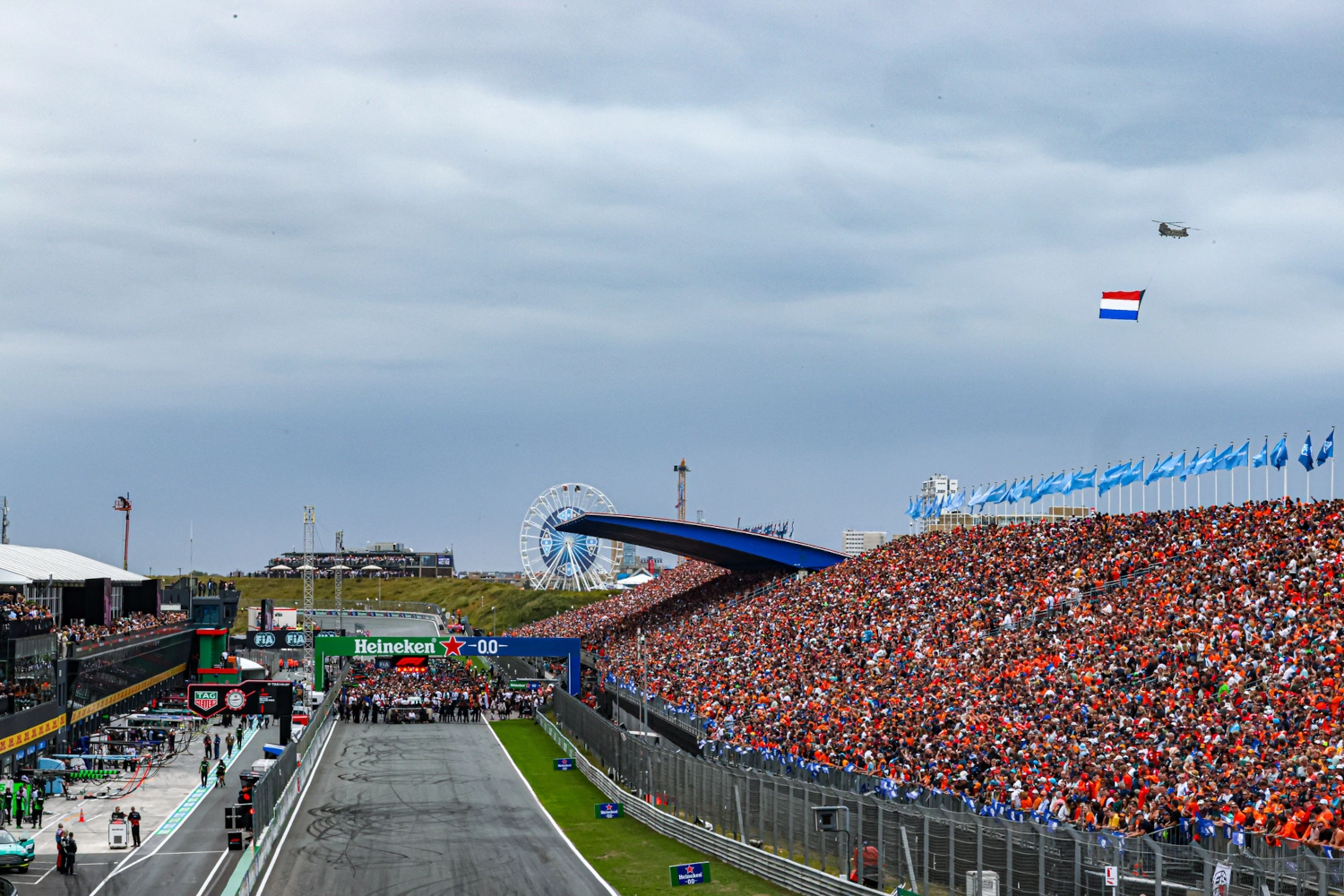
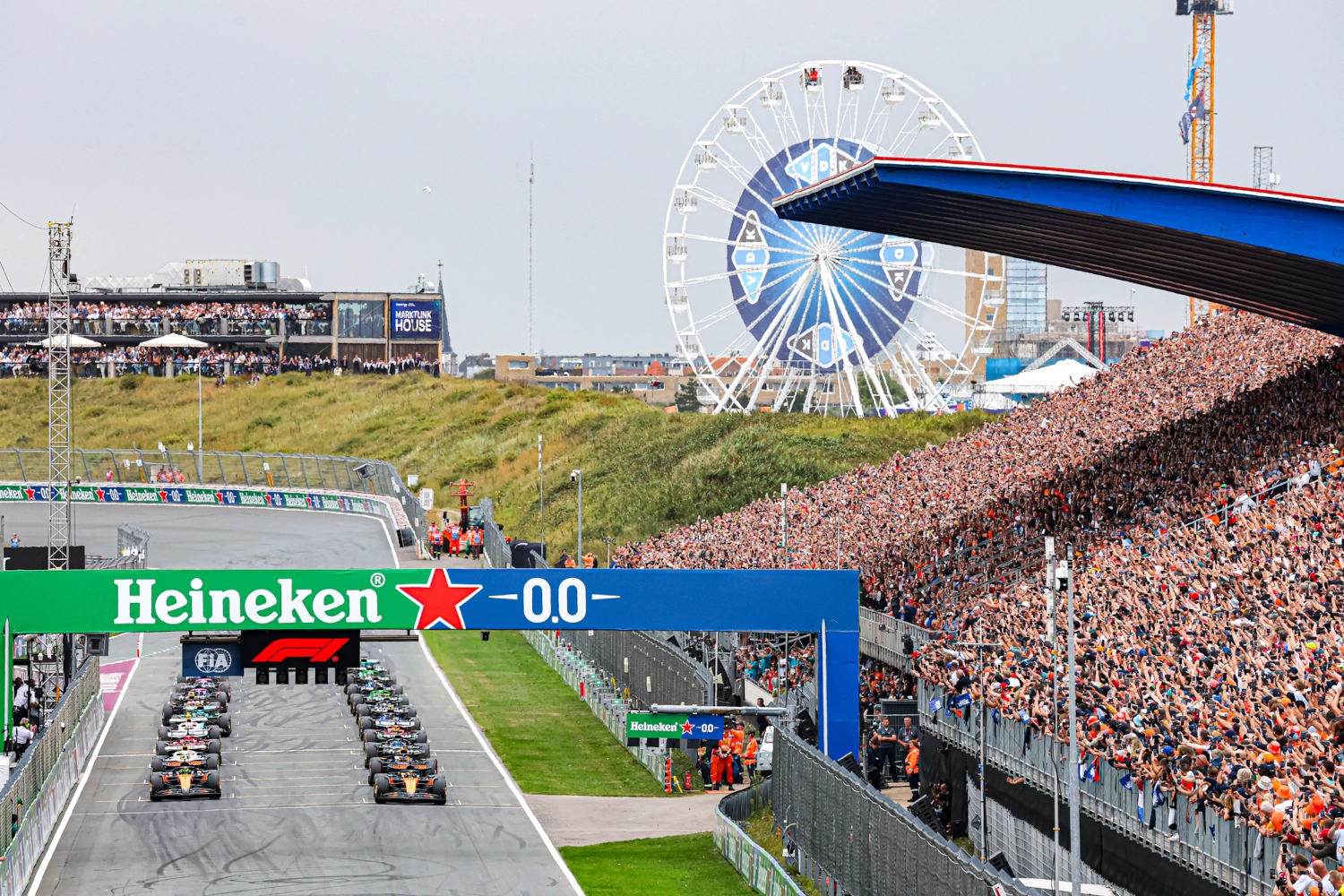
A good example is the Dutch Grand Prix approach: after allocation results, a race can look sold out, then another official batch appears later. That “second release” can be as competitive as the first.
What you’ll notice: A race appears sold out, then availability changes again when a new batch is released.
Even if a race doesn’t sell out immediately, demand often rises sharply about three to four months before race weekend.
This is when:
This wave tends to hit destination events and summer races hardest, because travel planning is tied to holiday calendars and accommodation availability.
What you’ll notice: Weekend tickets and popular sections start thinning quickly even if they felt stable earlier.
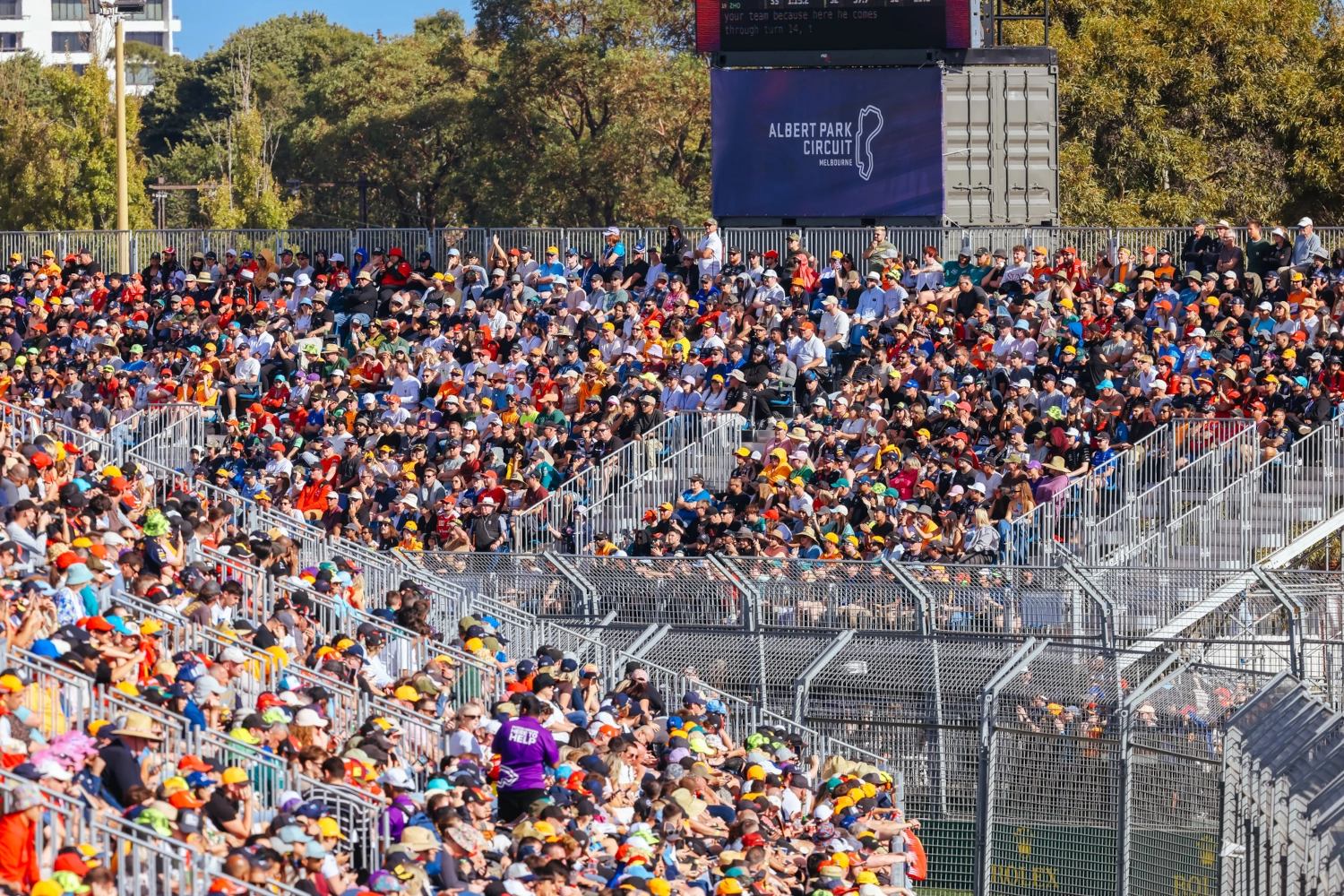
This is the most visible peak demand window, because it’s when many races announce sell-outs or near sell-outs.
It happens for a simple reason: lots of fans already have travel booked and suddenly need to lock in tickets. This is also when the “I’ll decide later” strategy stops working, and late buyers start competing for what’s left.
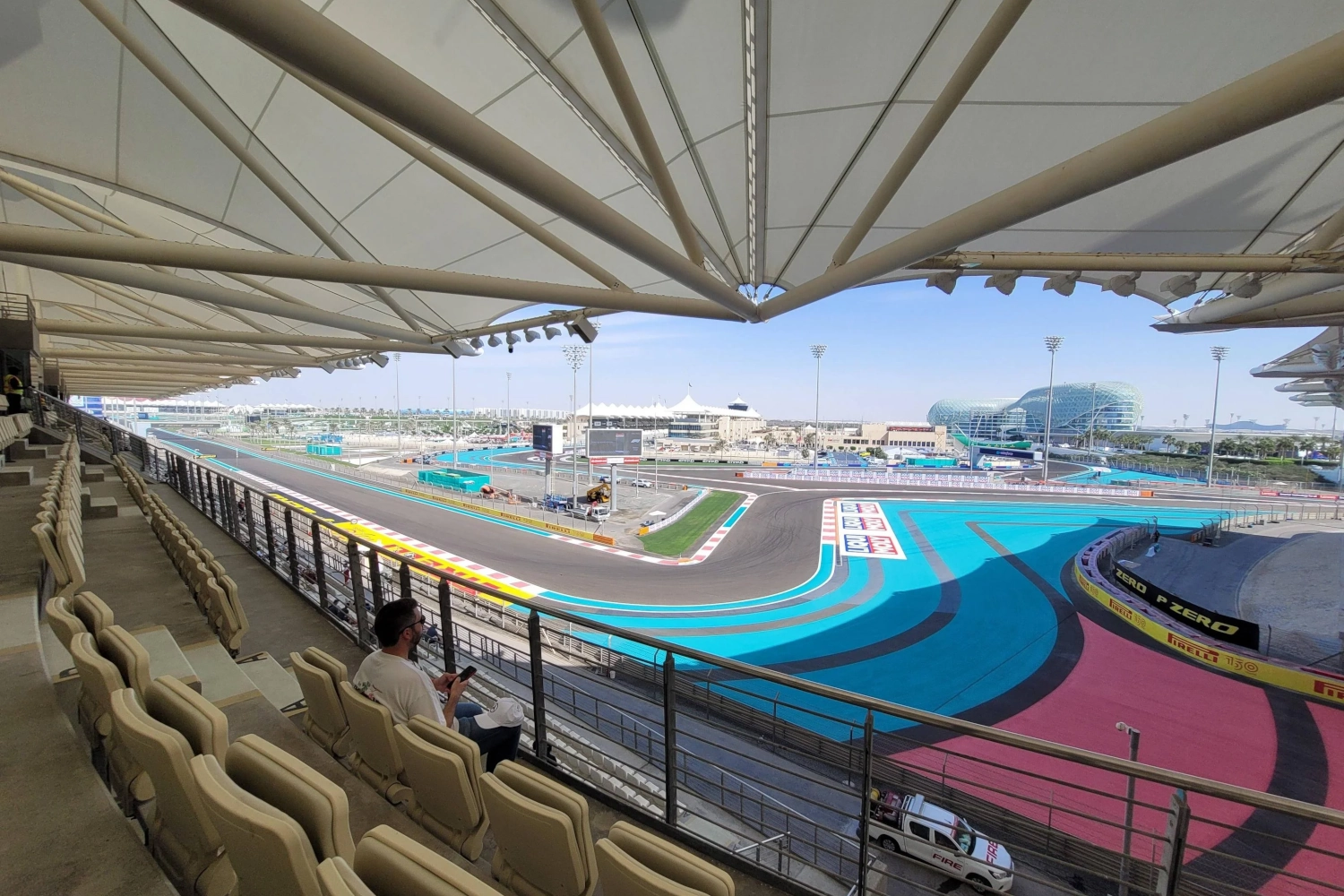
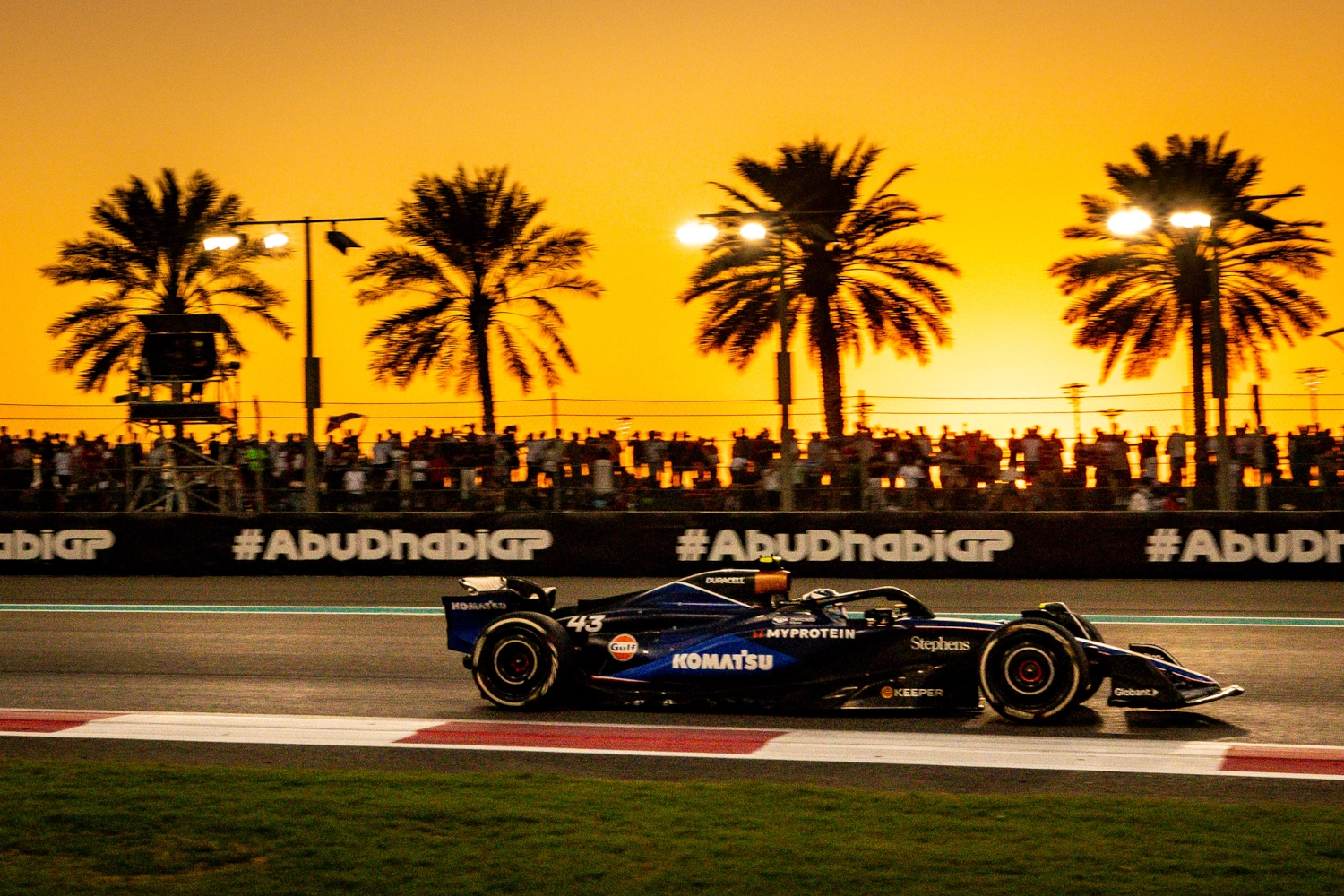
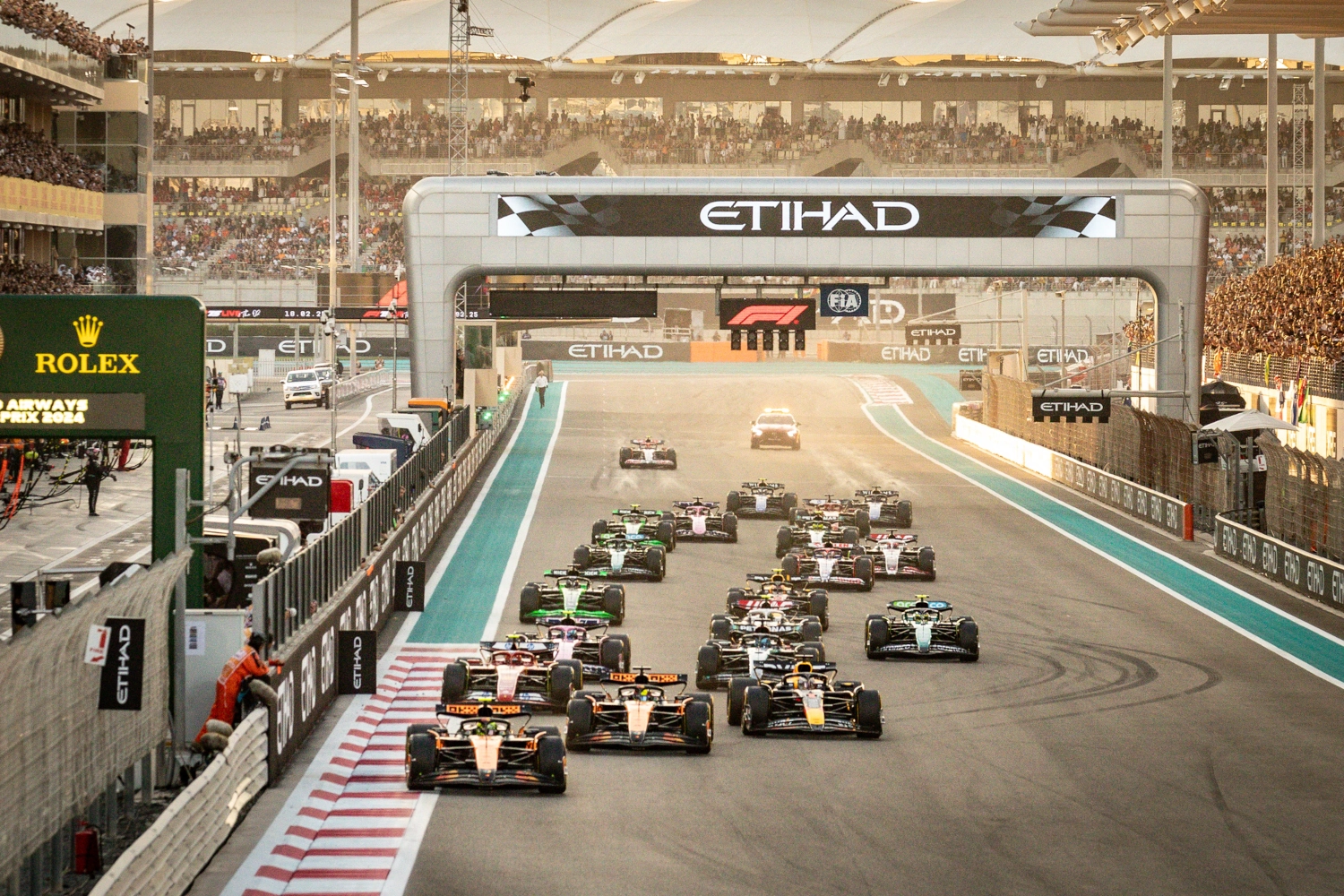
A clear example is Abu Dhabi, where sell-out announcements have come weeks before the event, especially when demand is strong for the season finale.
What you’ll notice: The cheapest and most popular Grandstands disappear, and remaining options look significantly more expensive.
The last week before a race can produce another spike—but it’s driven by a different kind of buyer.
This is when:
This is also the period where buyers must be extra careful about ticket format and transfer rules, because many events rely on app-based entry.
What you’ll notice: Short-lived availability and fast price swings, especially if resale is active.
Not everything sells out right away when demand is at its highest. Price movement is another way it may manifest.
Capacity-based pricing, in which specific ticket prices rise when sales reach predetermined thresholds, is openly explained by some promoters. Even though tickets are technically still available in those situations, peak demand is evident as abrupt price band shifts.
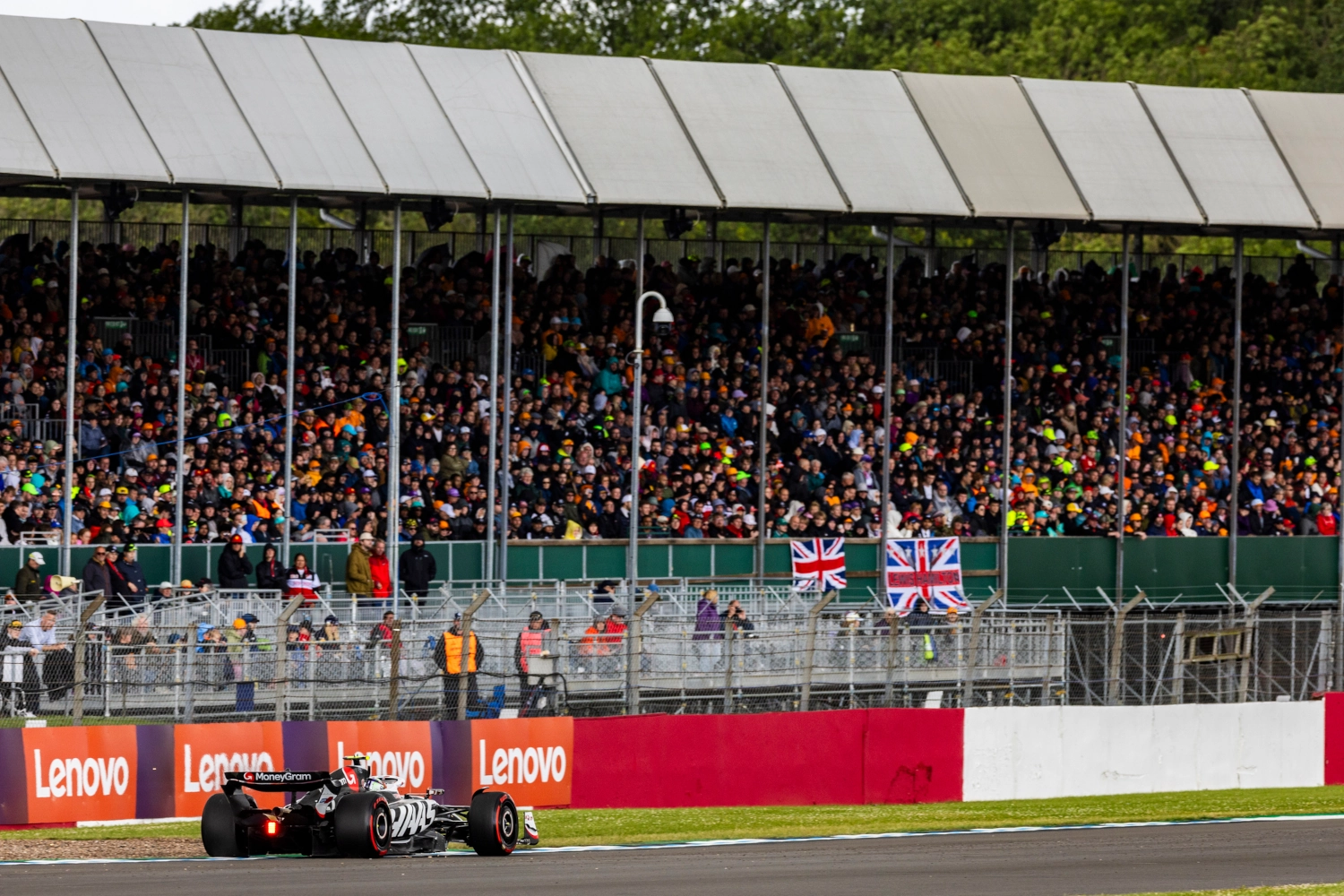
Additionally, sell-outs are becoming more frequent in the current F1 era. Peak demand feels more intense than it did a few years ago due to Formula 1's record attendance and numerous sold-out events.
A few factors determine how early the demand wave hits:
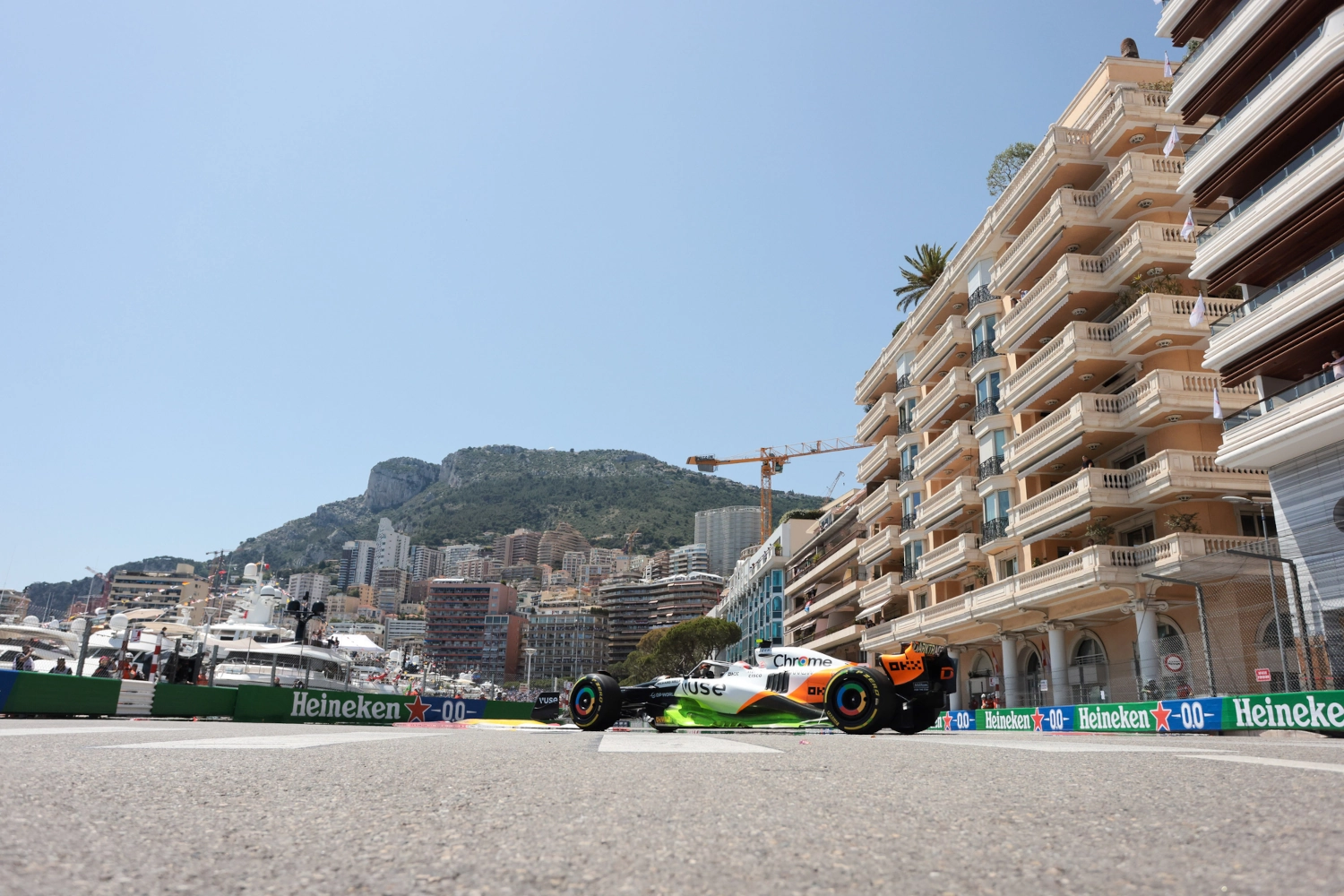
Iconic tracks and limited-capacity venues tend to reach peak demand earlier because “good inventory” is scarce.
Finale and late-season races often experience heavier late surges, especially if the championship is close. Early-season races can peak earlier because fans plan them as the first big trip of the year.
Peak demand is usually the first days of sale. The trade-off is that you’ll often get the best choice and pricing, but you need to decide early.
Peak demand is tied to release moments, not a single date. The best strategy is to understand the process and be ready when batches appear.
Expect the “squeeze.” Your best bet is flexibility: different sections, different days, or considering options you might have ignored earlier.
Treat it like a short-term hunt: resale rules, delivery format, and transfer requirements matter as much as price.
F1 tickets typically reach peak demand in five windows: launch day, allocation/batch releases, 3–4 months out, 4–6 weeks out, and the final week. The exact pattern depends on how the race sells tickets, but the demand peaks are predictable enough that fans can plan around them.
If you know which window you’re in, you can set better expectations: whether you should prioritize early buying, wait for a batch release, or focus on flexibility and verified delivery close to race weekend.
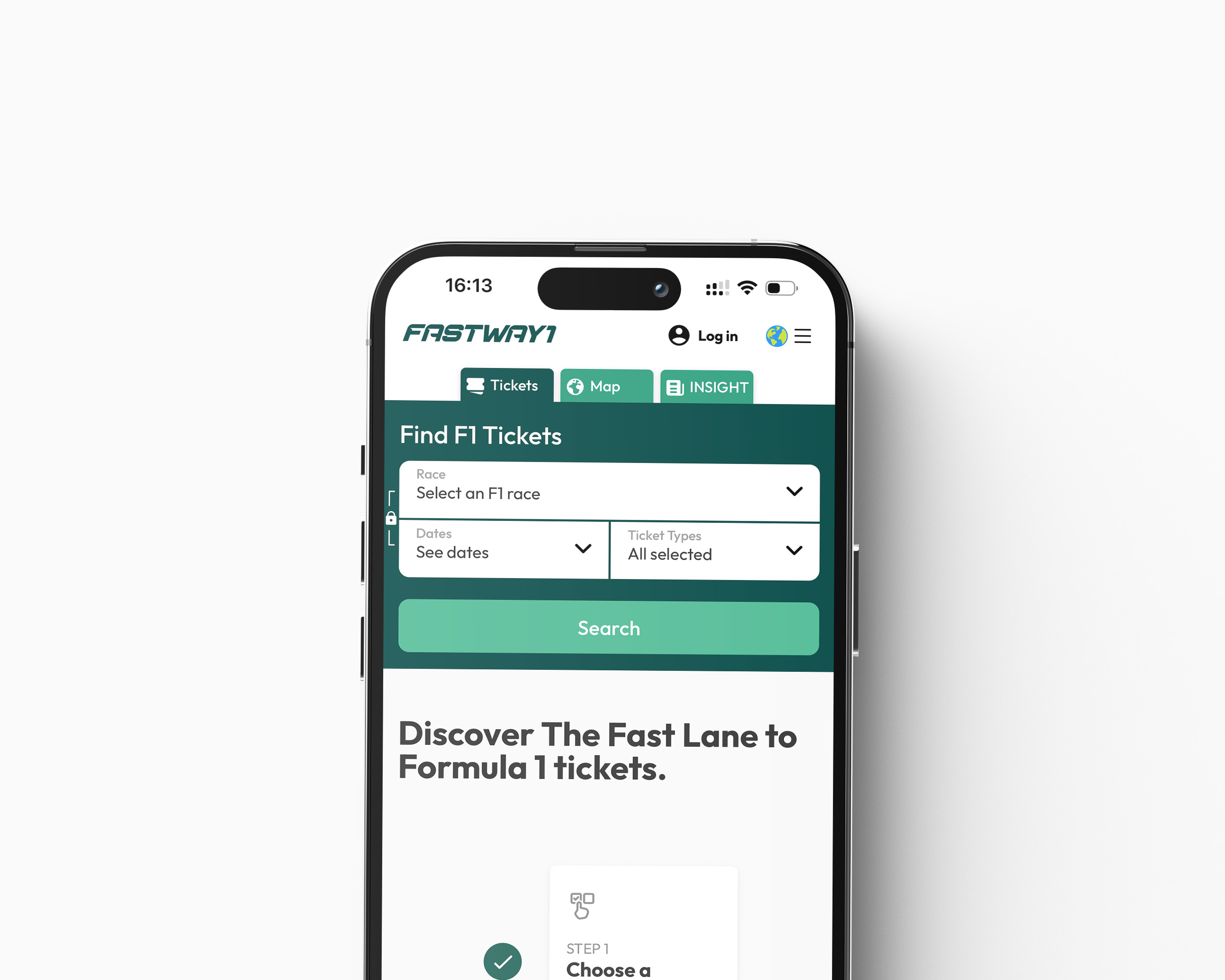
You can compare Formula 1 ticket options from reliable vendors in one location with Fastway1. You can sort by price and availability after browsing each race and filtering by Ticket Type (General Admission, Grandstands, and Hospitality). Before making a purchase, click through to the seller to confirm the precise section, day or days included, and delivery method.
Q: What makes Fastway1.com different from other ticket sellers?
A: Fastway1.com is the only Formula 1 ticket aggregator globally, offering a comprehensive search engine that compiles ticket data from multiple sellers to help fans find available tickets, even when others are sold out.
Q: How does Fastway1.com ensure ticket authenticity?
A: Fastway1.com partners only with established resellers and screen all our partners. However, we do not directly confirm the authenticity of tickets.
Q: Can I purchase tickets directly from Fastway1.com?
A: No, Fastway1.com does not sell tickets directly. Instead, it provides a platform for users to compare prices and availability from partner seller websites, where the actual purchase is completed.
Q: What types of tickets can I find on Fastway1.com?
A: Fastway1.com offers comprehensive listings for various F1 ticket categories, allowing users to filter searches by race and ticket type to find the best options for their needs.
Q: Does Fastway1.com offer any additional services?
A: Not directly, but Fastway1.com has partnered with Booking.com to provide hotel booking options at Booking.com, making it easy for fans to plan their entire Formula 1 experience.
Q: Is Fastway1.com affiliated with Formula 1?
A: Fastway1.com is not affiliated with, endorsed by, or in any commercial partnership with Formula 1 or its associated companies. It operates independently to provide a valuable service to F1 fans.
Q: How can I contact Fastway1.com for support?
A: For any inquiries or support, you can contact Fastway1.com via email at info@fastway1.com. The customer support team aims to respond within 24 hours.
Q: What are the future plans for Fastway1.com?
A: Fastway1.com plans to expand its services beyond ticket sales, including a travel builder tool for planning trips and a future mobile app focused on simplicity and speed. The company also aims to increase partnerships with Formula 1 teams and race organizers.