.svg)





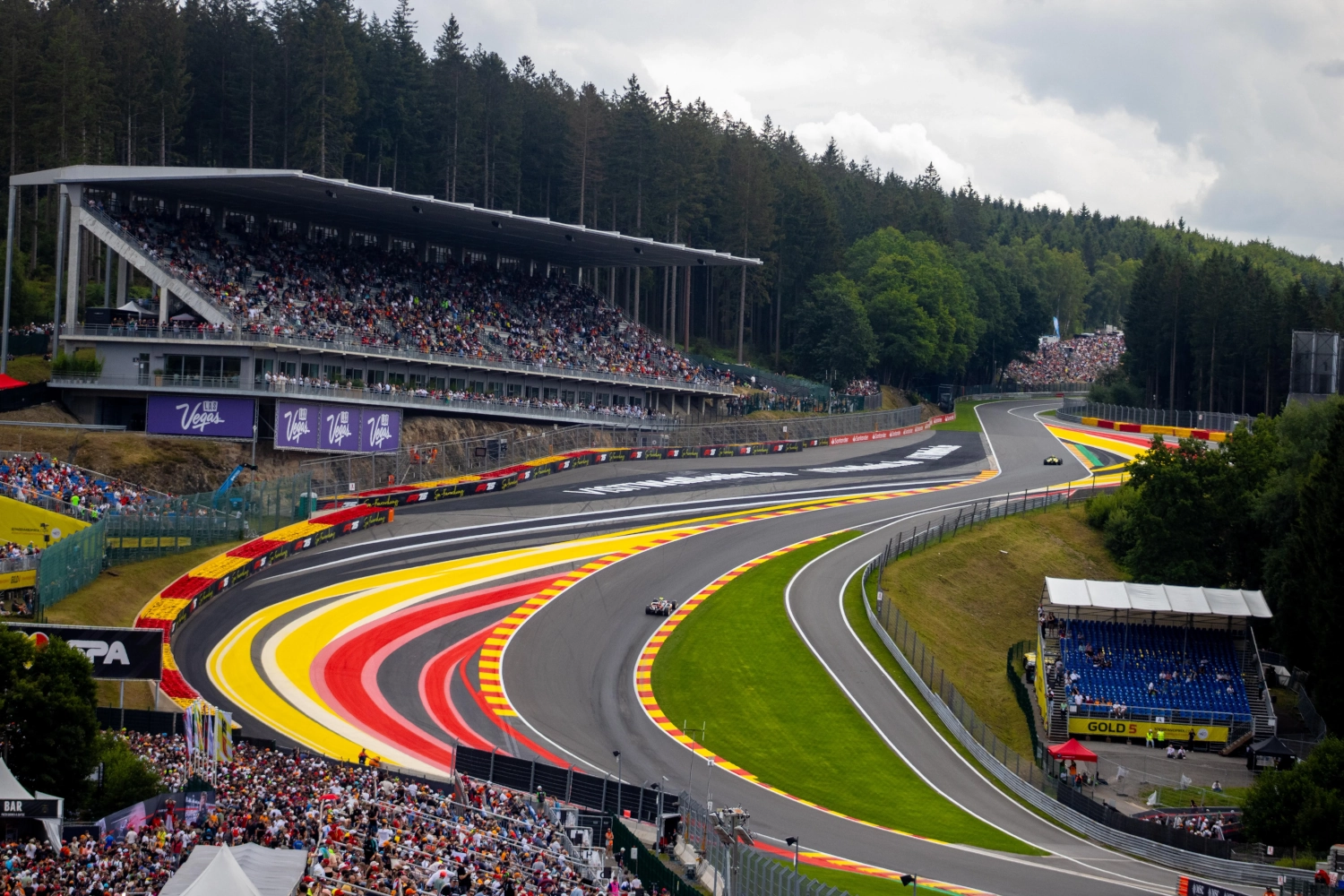
Barcelona Grand Prix and Belgian Grand Prix at Spa could rotate on the F1 calendar
December 26, 2025

The sport feels different when the Formula 1 championship is near. Headlines circulate more quickly, every session counts, and casual fans turn into "I should go to a race" enthusiasts. The demand for F1 tickets is one area where this change is very evident.
A title fight not only increases interest in a season with already high attendance, but it also speeds up sell-outs, draws fans to premium categories, and alters consumer behavior in the last stretch of the schedule.
Here's how it operates, complete with real-world examples and useful lessons for fans.
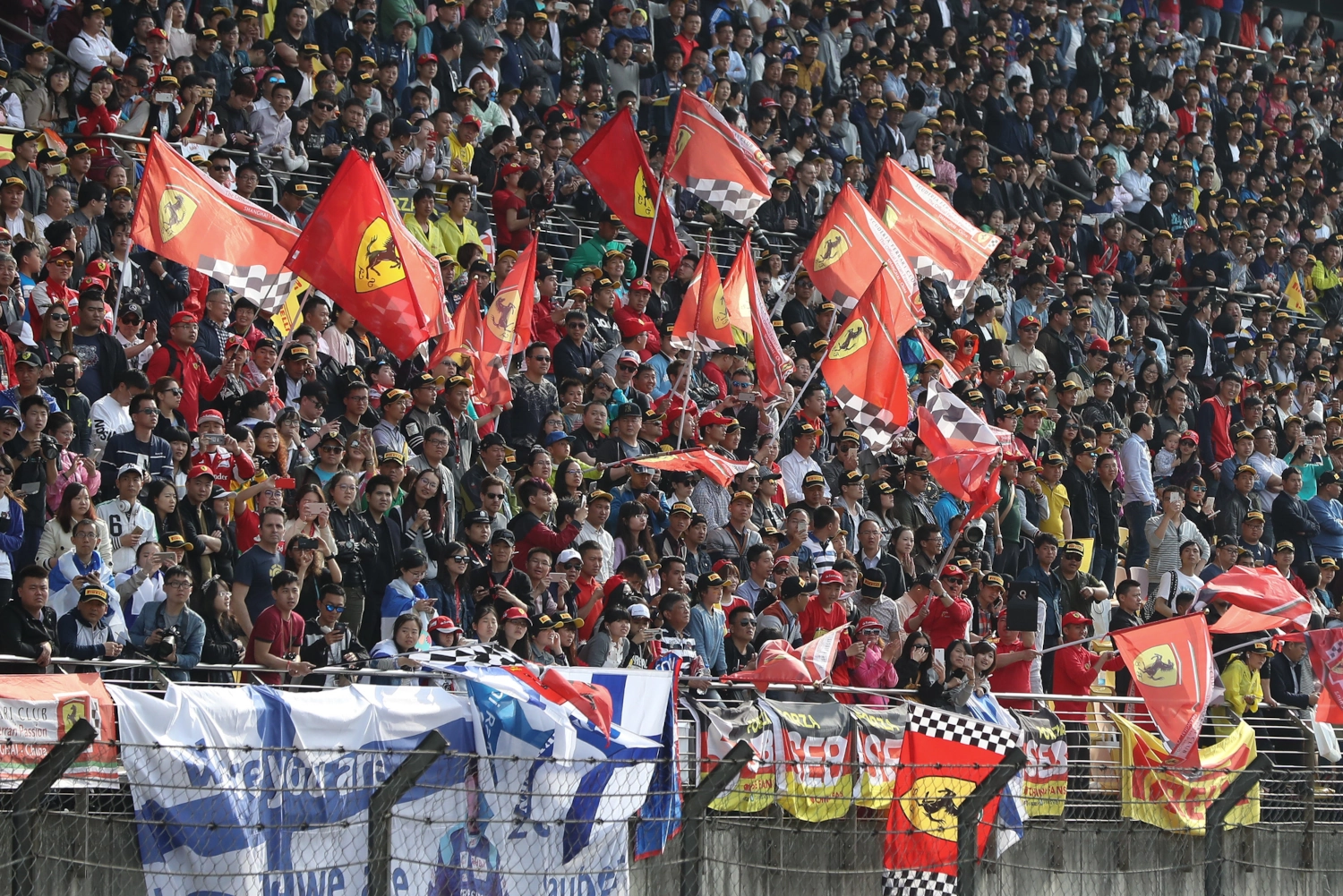
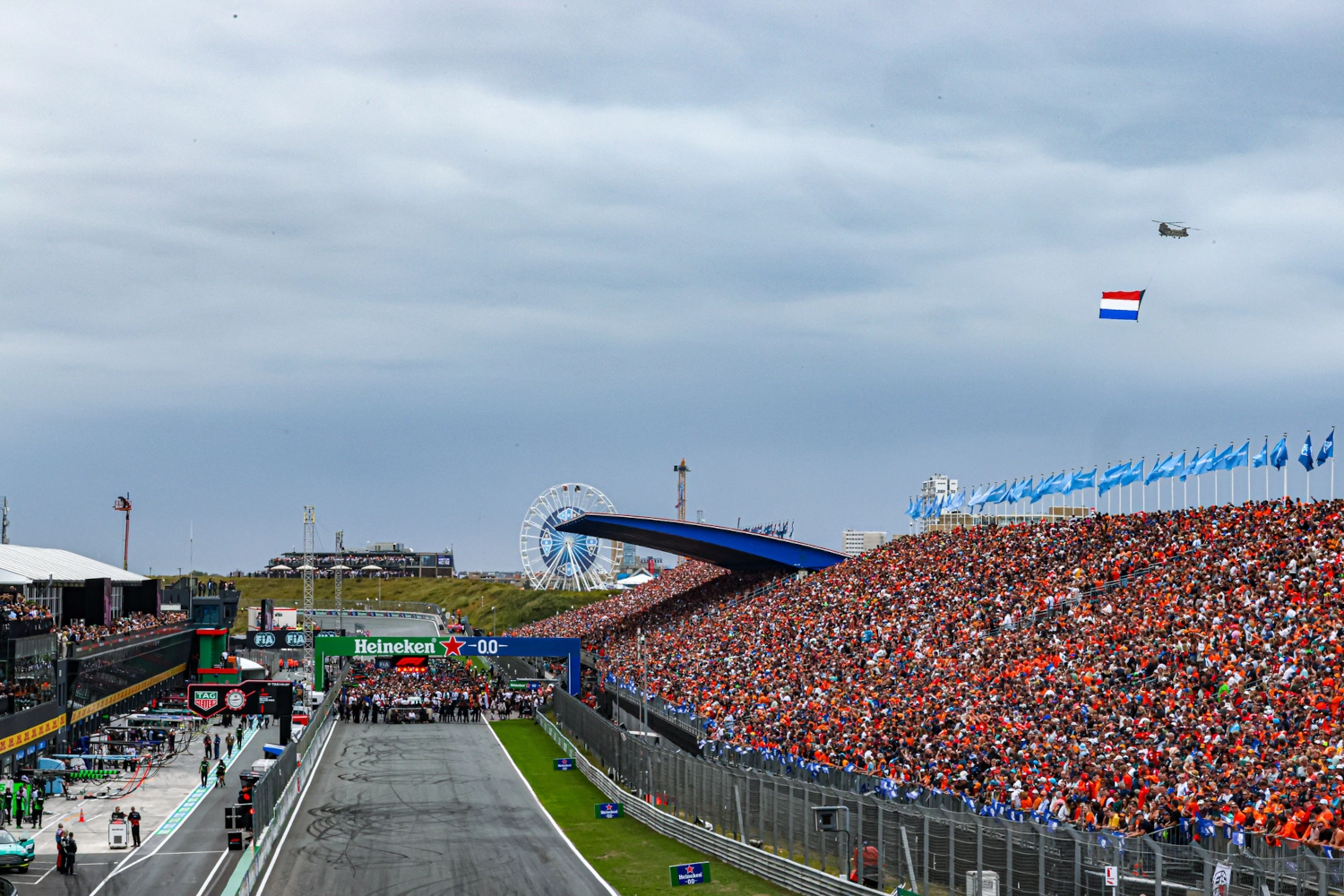
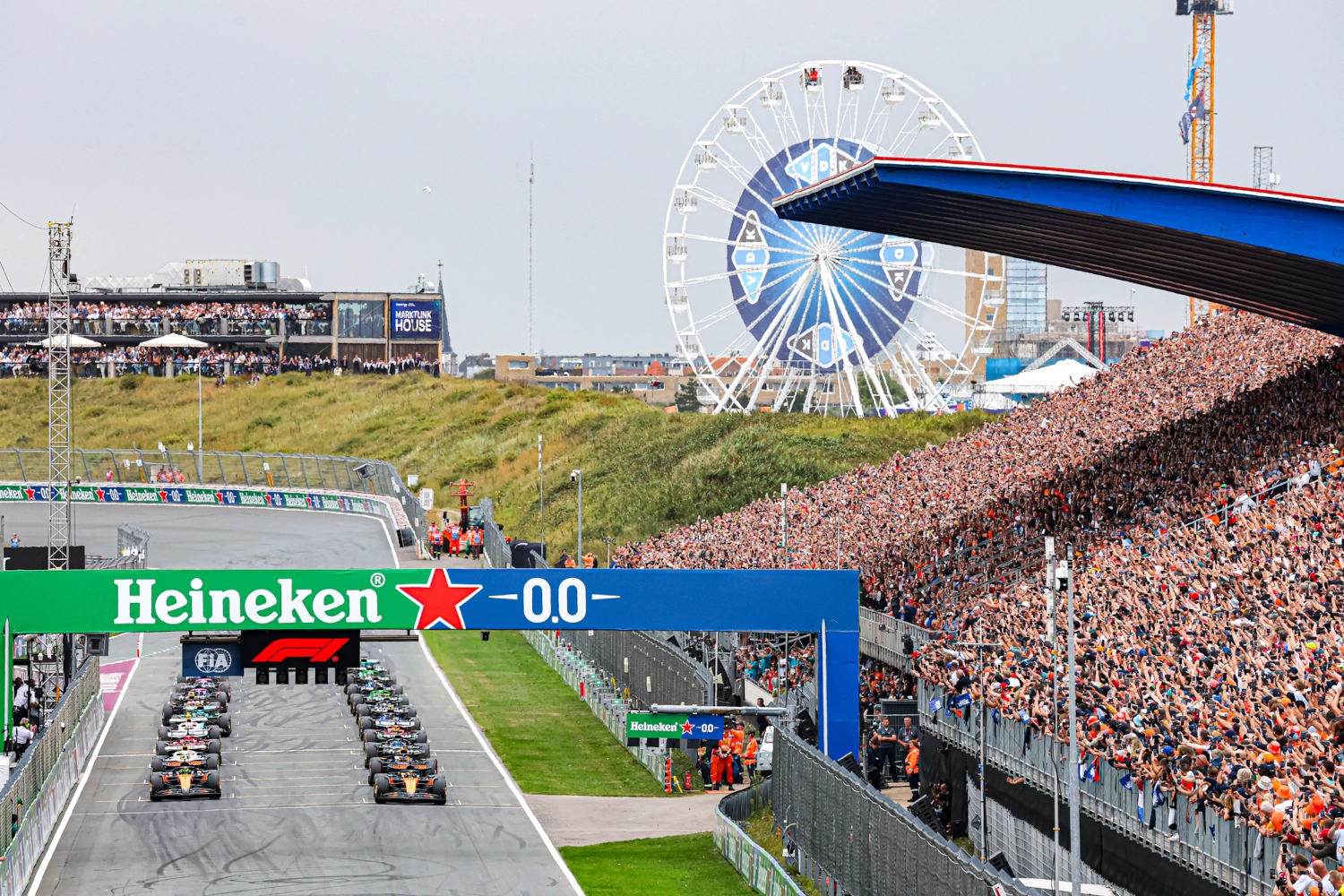
Formula 1 reported record track attendance in 2025, with 6.7 million total attendees and 19 events sold out. In that kind of environment, a championship battle acts like a multiplier: races that would normally “sell well” can become sell-outs, and sections that usually last longer disappear earlier.
When a title can be won at a specific race, demand spikes because fans want to be part of a moment that could be historic. Even people who don’t usually travel for F1 see it as a once-in-a-season opportunity.
In close seasons, many fans wait to see how the standings develop, then buy quickly once it’s clear the title will go down to the final races. That creates sudden demand surges—especially for weekend tickets and top viewing areas.
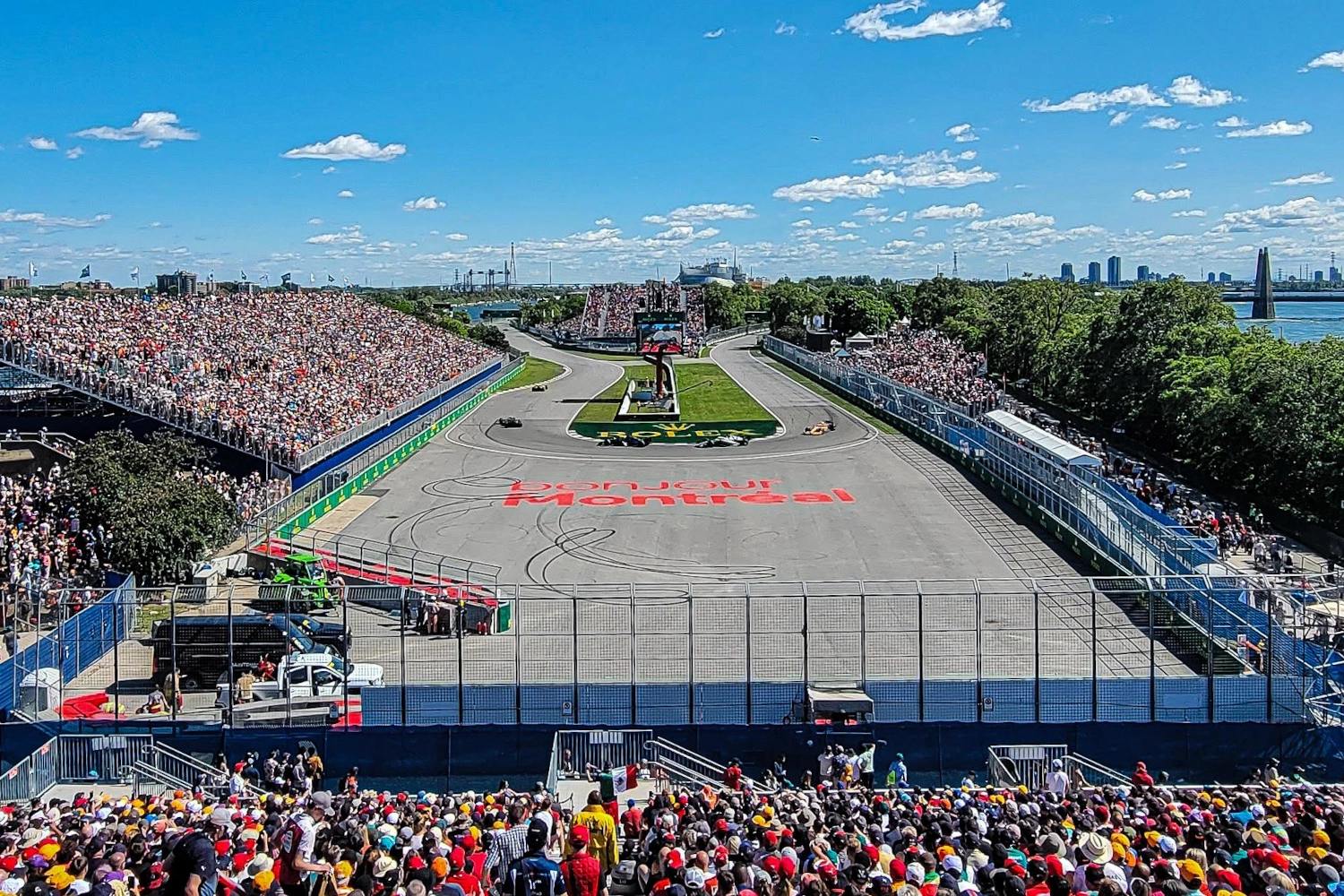
A tight title fight encourages travel. Fans who might normally choose a nearby race decide to fly to a finale or a key late-season round because it feels like the place to be.
Premium buyers and corporate groups treat a title decider as a higher-value event. That means Hospitality often sells earlier than usual, and “mid-tier premium” products can get squeezed faster than fans expect.
When demand rises quickly, resale listings and scam attempts tend to increase too. This is why official channels frequently warn fans to be careful with unofficial resale during high-demand periods.
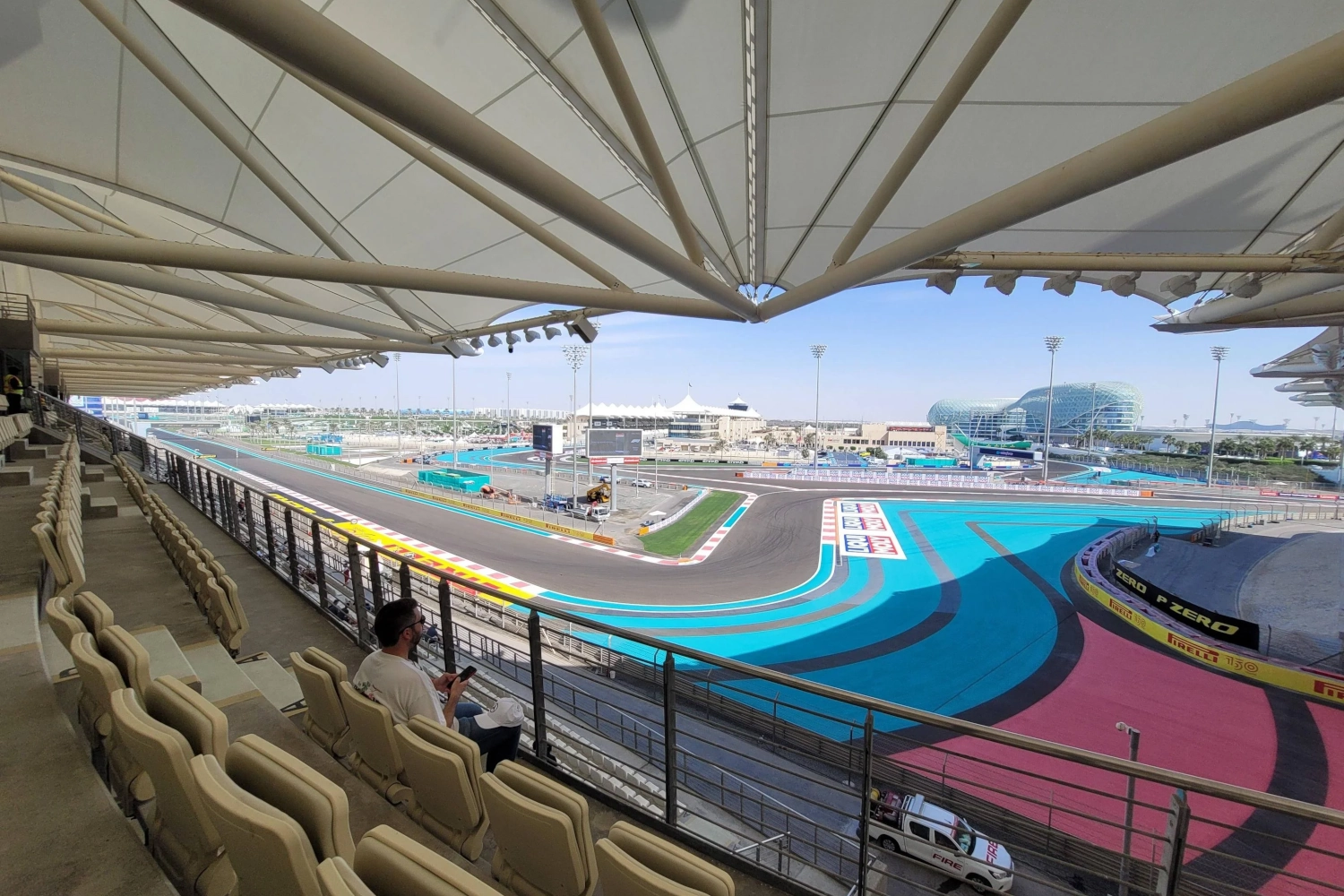
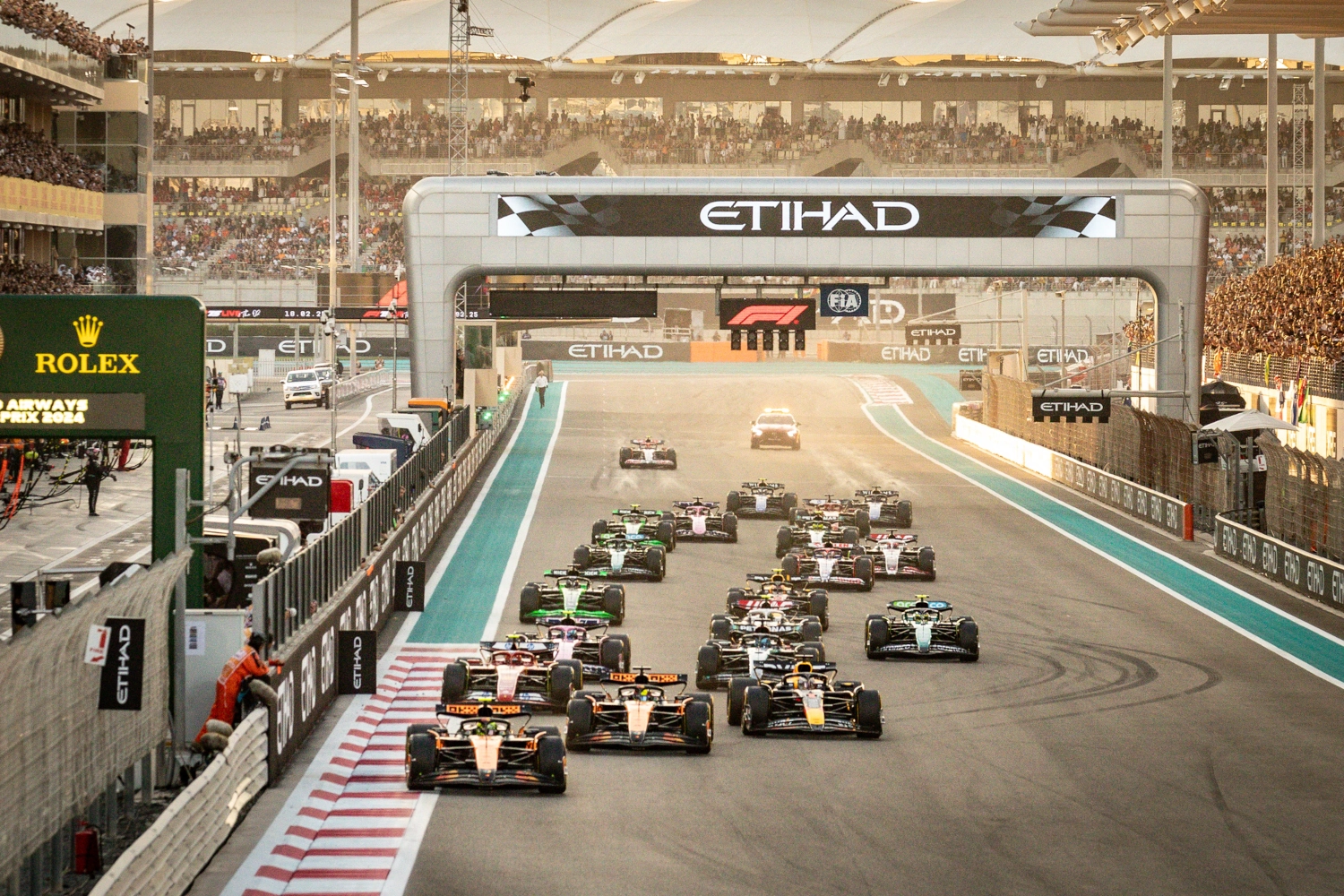
Abu Dhabi is a perfect case study because it already has “final race” energy—and when the championship is live, demand can jump dramatically.
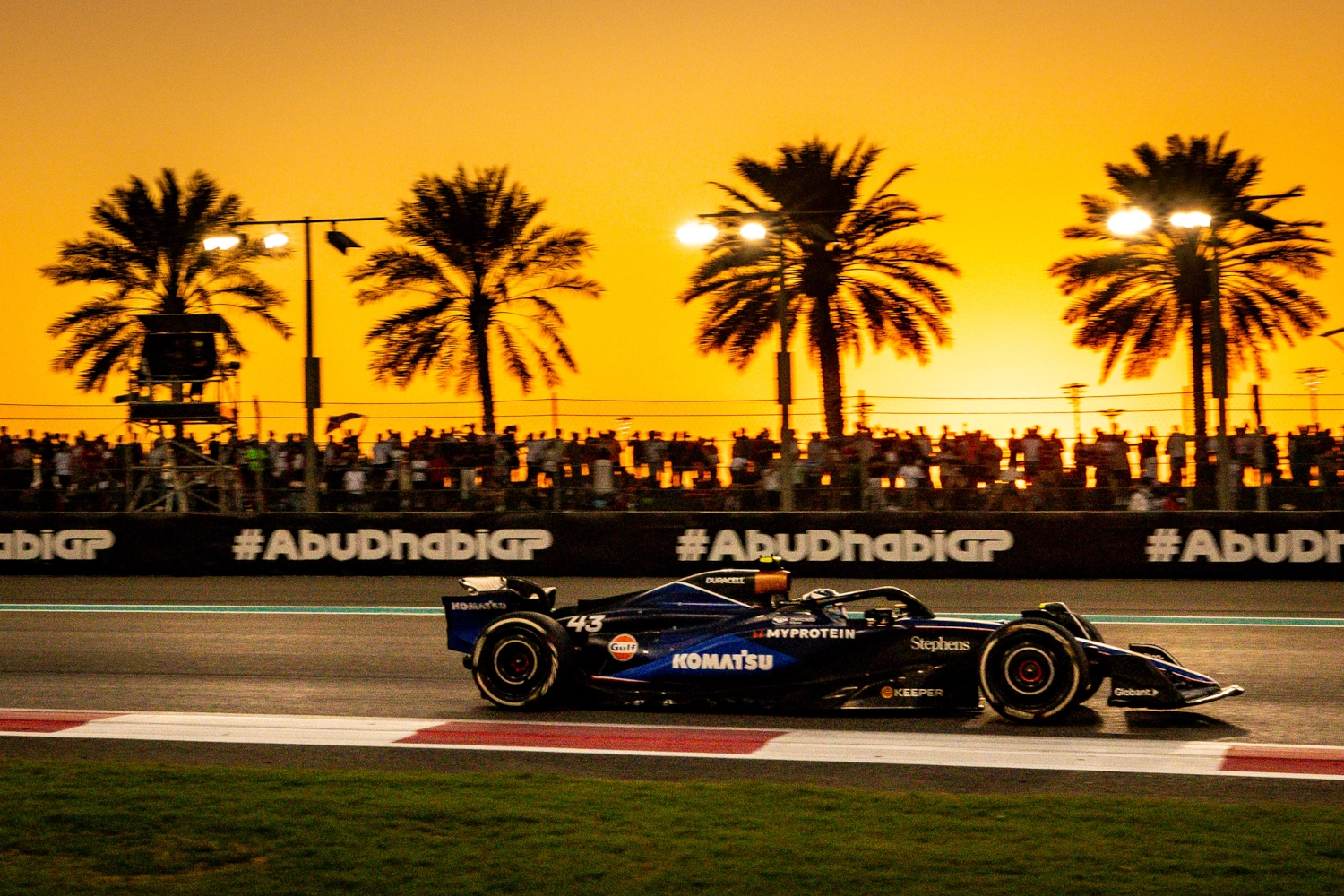
In 2025, the drivers’ title was decided at Yas Marina, with Lando Norris clinching the championship in Abu Dhabi. That’s exactly the kind of scenario that drives last-minute demand. Attendance was reported at over 200,000 for the weekend (203,000)—the first time the event crossed that threshold.
Even without a last-lap title decider, Abu Dhabi’s finale status can push demand. The event announced a full sell-out with weeks still to go, and reporting highlighted how quickly grandstand inventory disappeared.
The modern benchmark for how a title fight can alter the level of interest in the sport is the 2021 finale. It illustrates what happens when the season narrative reaches its climax at the final race: worldwide interest increases and the finale turns into a destination event, even if you only look at ticket sales.
Fans can infer from this that a race will behave differently in the ticket market when the title is likely to be decided at that particular race—earlier sell-outs, higher premium demand, and less time to "wait and see."
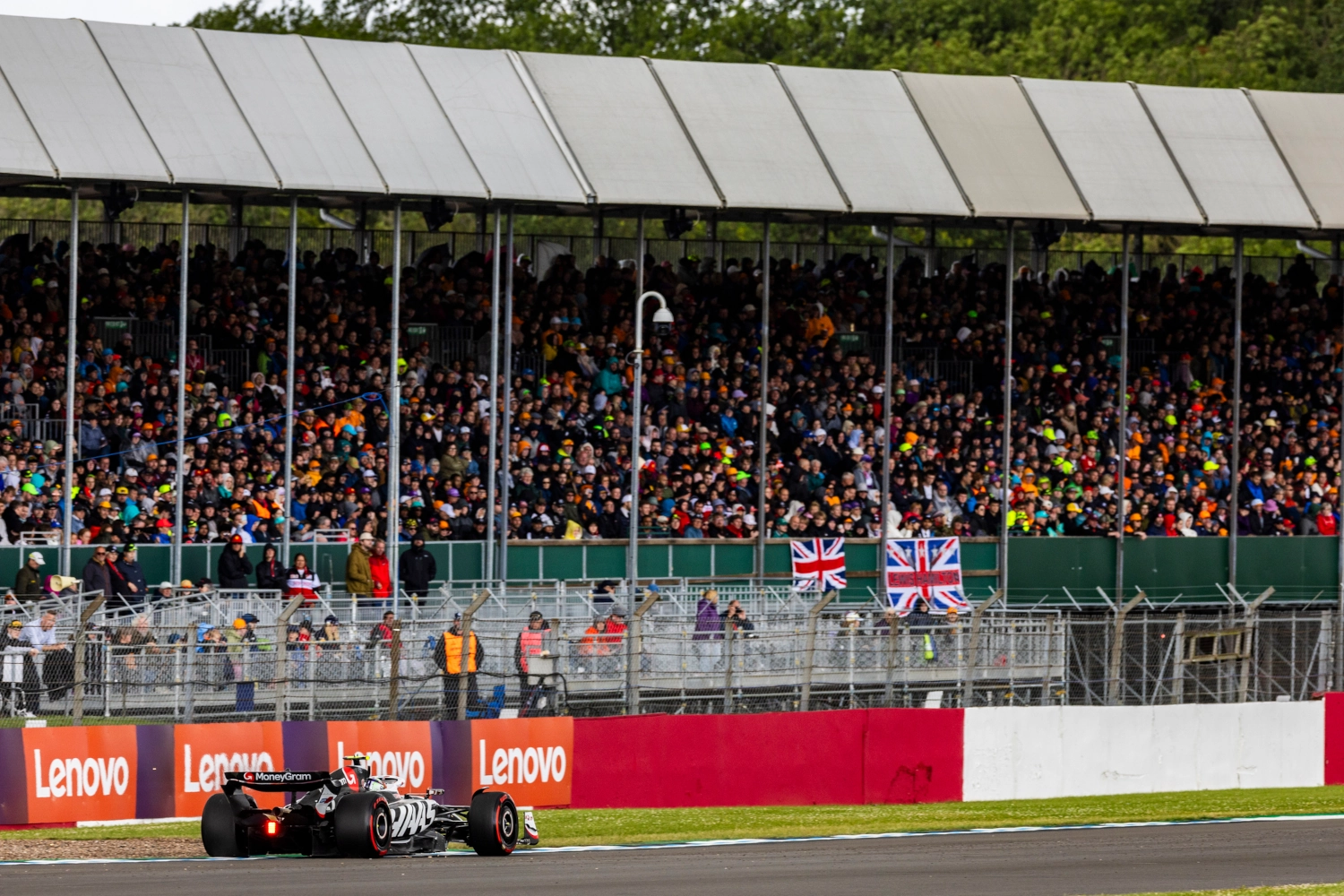
Tickets for some races are priced according to capacity thresholds. Silverstone has made it clear that while some allocations stay constant, some prices increase when sales reach particular capacity levels.
The promoter may not "raise prices because of the title fight" when a championship battle heats up, but the race may reach those thresholds more quickly due to demand. Fans experience the same result: the best-priced inventory vanishes more quickly, and the remaining options appear more costly.
This is the biggest spike. If the title could be decided there, even casual fans are willing to pay and travel.
As soon as it’s obvious the championship is going to be close, demand rises across the final stretch—especially for races that are easy to travel to or have a “festival” reputation.
When a driver is in the title fight, their home race (or nearby races) can see stronger demand. Fans travel specifically for the atmosphere and the chance to see a career-defining weekend.
In a normal year, some fans delay bucket-list trips. In a title-fight year, the season story can push them into booking—because it feels like “this might be the year to go.”
In most title-fight seasons, the pattern is consistent:
If you know you’ll only be happy with a guaranteed seat and a clear view, aim for Grandstands earlier than you would in a calm season. If you’re flexible and enjoy exploring, General Admission can still be a good option—but expect earlier arrival requirements in peak demand years.
During high-demand periods, the difference between sellers often comes down to fees, delivery rules, and what’s actually included. Compare like-for-like and focus on final checkout totals, not headline prices.
Some organizers add inventory later (for example, opening new sections or finalizing temporary structures). That doesn’t happen everywhere, but it’s common enough that checking official availability regularly can pay off.
When demand spikes, resale prices rise and scams become more common. If you use resale, do it with a clear understanding of delivery format and transfer rules—especially for mobile-only ticket systems.
In addition to making races more thrilling, a close championship match also alters the ticket market. Particularly at finales and late-season races, it shortens buying windows, speeds up sell-outs, and moves demand toward premium categories.
The best course of action is to determine what you need (General Admission, Grandstands, or Hospitality) and compare options as soon as possible if the standings are close. This is because the best-value inventory usually disappears first when the title fight actually happens.
Q: What makes Fastway1.com different from other ticket sellers?
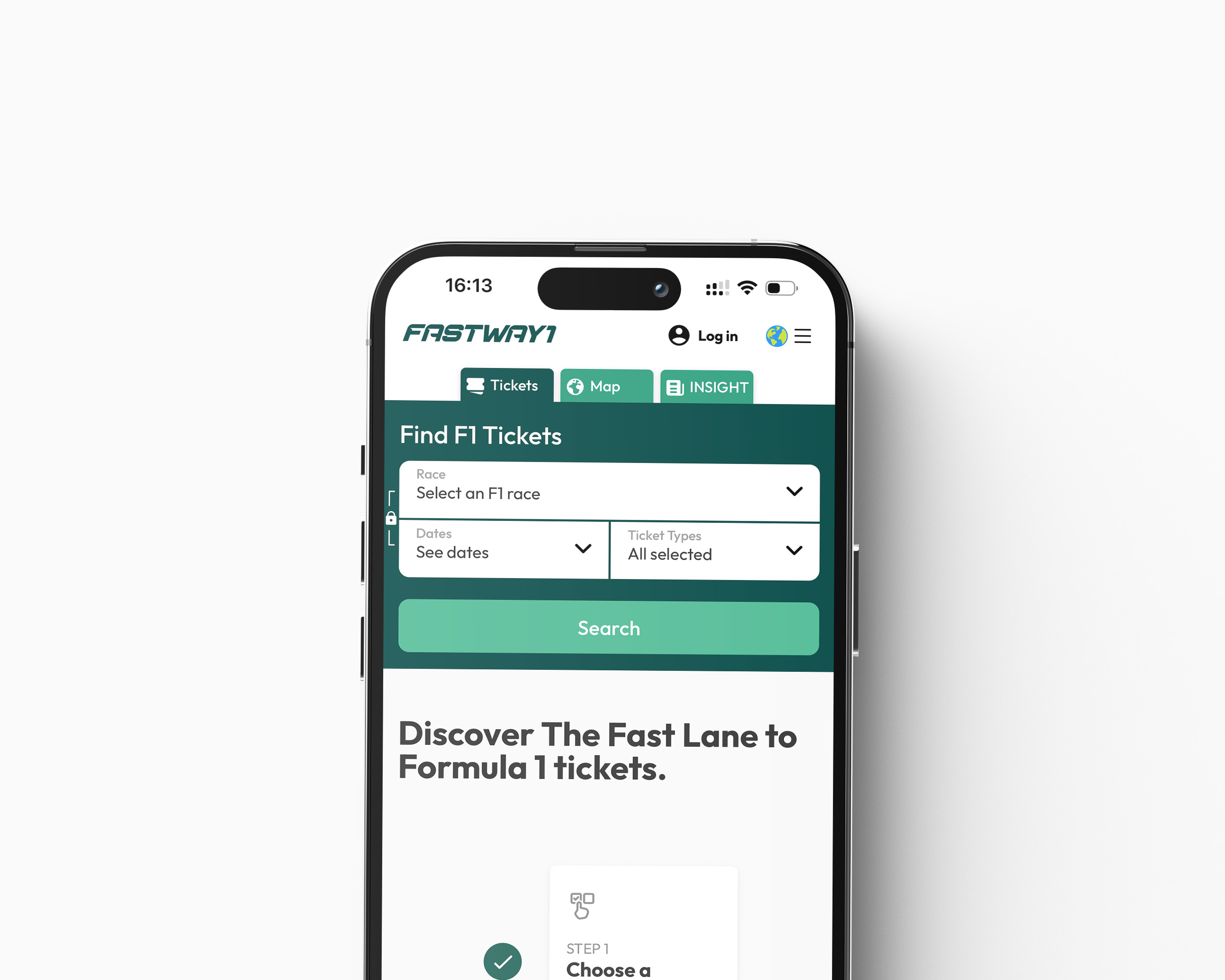
A: Fastway1.com is the only Formula 1 ticket aggregator globally, offering a comprehensive search engine that compiles ticket data from multiple sellers to help fans find available tickets, even when others are sold out.
Q: How does Fastway1.com ensure ticket authenticity?
A: Fastway1.com partners only with established resellers and screen all our partners. However, we do not directly confirm the authenticity of tickets.
Q: Can I purchase tickets directly from Fastway1.com?
A: No, Fastway1.com does not sell tickets directly. Instead, it provides a platform for users to compare prices and availability from partner seller websites, where the actual purchase is completed.
Q: What types of tickets can I find on Fastway1.com?
A: Fastway1.com offers comprehensive listings for various F1 ticket categories, allowing users to filter searches by race and ticket type to find the best options for their needs.
Q: Does Fastway1.com offer any additional services?
A: Not directly, but Fastway1.com has partnered with Booking.com to provide hotel booking options at Booking.com, making it easy for fans to plan their entire Formula 1 experience.
Q: Is Fastway1.com affiliated with Formula 1?
A: Fastway1.com is not affiliated with, endorsed by, or in any commercial partnership with Formula 1 or its associated companies. It operates independently to provide a valuable service to F1 fans.
Q: How can I contact Fastway1.com for support?
A: For any inquiries or support, you can contact Fastway1.com via email at info@fastway1.com. The customer support team aims to respond within 24 hours.
Q: What are the future plans for Fastway1.com?
A: Fastway1.com plans to expand its services beyond ticket sales, including a travel builder tool for planning trips and a future mobile app focused on simplicity and speed. The company also aims to increase partnerships with Formula 1 teams and race organizers.