.svg)





Best European F1 races to attend for American fans
December 20, 2025


If you've ever attempted to purchase Formula 1 tickets, you've undoubtedly noticed that there isn't a single "on-sale day" for the entire sport. One race may start selling tickets immediately following the conclusion of this year's event, while another may remain silent for months before abruptly launching tickets with a waiting area and lines.
This is due to the fact that every Grand Prix is effectively its own ticket market, managed by the local organizer, with its own pricing phases, release schedule, and resale regulations.
In order to let you know what to expect, when to look, and how to avoid common pitfalls, this guide describes how F1 tickets are normally released and sold throughout the season.
For most races, the circuit or local race promoter controls the main inventory for General Admission, Grandstands, and many official upgrades. That’s why every race feels different: each promoter decides when to launch, how to price, and what rules apply.
Formula 1 also offers tickets through its own ticket store. It’s an official route, but it can sometimes show different fees, packaging, and availability compared with buying direct from a circuit because it’s a separate sales channel.
If you want a “ticket + extras” bundle—like pit lane walks, guided activities, premium viewing, or curated weekend itineraries—F1 Experiences is the official package route. This is where you’ll commonly see Hospitality and higher-end offerings bundled with event access.
Key takeaway: When fans say “tickets dropped,” they might be talking about any of these channels—so it helps to know which one you’re using.
F1 tickets are released on race-by-race schedules, and those schedules can shift from year to year.
In practice, this means ticket sales happen in waves across the calendar:
This is one of the most common sources of confusion.
Often, “Sold Out” means:
So “Sold Out” doesn’t always mean “never again”—but you can’t count on more tickets appearing either.
Ticket pricing is not always fixed. Many races use pricing phases that reward early buyers.
Some promoters offer discounts for a brief time when they open the Early Bird window for tickets for the following year. For the general public, this is typically the lowest official price phase.
When specific sales thresholds are met, some events specifically raise prices. Put another way, the next batch becomes more expensive as the less expensive inventory sells out.
For this reason, two people can purchase the "same" Grandstands ticket weeks apart and pay quite different prices.
Not all tickets have price changes. While other categories increase in response to demand, some promoters maintain fixed prices for portions of their inventory.
What this means for fans: It’s smart to compare prices over time, but also to understand that waiting can cost more, even if the ticket category name stays the same.
For popular races, buying tickets can feel like buying concert tickets.
Here’s what to expect:
Many ticketing systems place buyers into a virtual queue. The biggest “mistakes” people make are:
Many promoters set a cap on how many tickets one person can buy per category or per event. If you’re buying for a group, it’s worth coordinating in advance so you don’t accidentally split seats across different areas.
Some races offer installment payments. The catch: installment plans can come with fees, and in some cases, they can limit resale or transfer options. If you think you might need to resell later, read the fine print before choosing installments.
A big change in recent years is how tickets are delivered and controlled to reduce fraud.
Common delivery formats include:
Many events (and major ticketing platforms) clearly state that screenshots may not be valid for entry for mobile-only tickets. The barcode may refresh or be protected in the official app.
Practical takeaway: Plan to bring the official app/log-in method on race day, and don’t rely on a screenshot as your only backup.
This is where F1 ticketing becomes especially inconsistent.
Certain promoters provide an official resale exchange, where ticket holders can resell through a controlled system.
Other events limit resale to official partners only and can void tickets if they’re sold or advertised through unauthorized channels.
Even if a resale site lists tickets, the risk to the buyer depends on:
What to tell readers: If you buy outside official channels, you’re often paying more and taking on extra risk—especially for mobile-only ticket systems.
Here’s how the year typically looks in practice:
Before you buy anything, decide what matters most:
A low entry price can still lead to a frustrating day if the viewing or logistics don’t match your expectations. Sometimes a slightly better location or reserved seating gives a better overall trip.
If there’s any chance your plans could change, pay extra attention to:
If a race uses phased or capacity-based pricing, waiting rarely makes the same ticket cheaper. It may still be worth waiting if you’re hoping for a specific section release—but it’s not a “discount strategy.”
Because every race has its own procedure and availability varies as batches sell out, new releases appear, and packages launch, F1 ticket releases can feel dispersed.
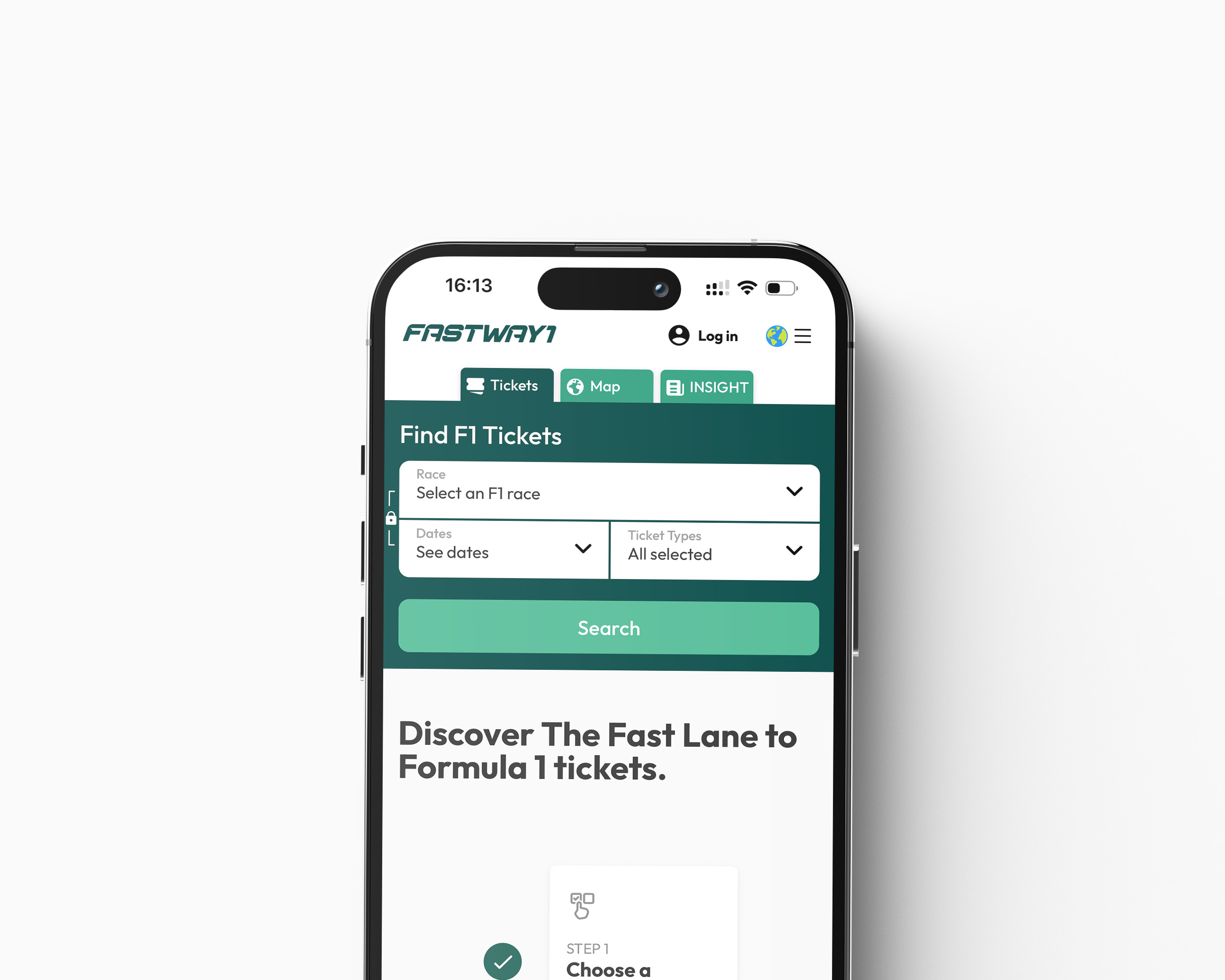
You can quickly see what's available for General Admission, Grandstands andHospitality without having to switch between dozens of tabs thanks to Fastway1's ability to compare ticket options across reliable sellers and categories.
Q: What makes Fastway1.com different from other ticket sellers?
A: Fastway1.com is the only Formula 1 ticket aggregator globally, offering a comprehensive search engine that compiles ticket data from multiple sellers to help fans find available tickets, even when others are sold out.
Q: How does Fastway1.com ensure ticket authenticity?
A: Fastway1.com partners only with established resellers and screen all our partners. However, we do not directly confirm the authenticity of tickets.
Q: Can I purchase tickets directly from Fastway1.com?
A: No, Fastway1.com does not sell tickets directly. Instead, it provides a platform for users to compare prices and availability from partner seller websites, where the actual purchase is completed.
Q: What types of tickets can I find on Fastway1.com?
A: Fastway1.com offers comprehensive listings for various F1 ticket categories, allowing users to filter searches by race and ticket type to find the best options for their needs.
Q: Does Fastway1.com offer any additional services?
A: Not directly, but Fastway1.com has partnered with Booking.com to provide hotel booking options at Booking.com, making it easy for fans to plan their entire Formula 1 experience.
Q: Is Fastway1.com affiliated with Formula 1?
A: Fastway1.com is not affiliated with, endorsed by, or in any commercial partnership with Formula 1 or its associated companies. It operates independently to provide a valuable service to F1 fans.
Q: How can I contact Fastway1.com for support?
A: For any inquiries or support, you can contact Fastway1.com via email at info@fastway1.com. The customer support team aims to respond within 24 hours.
Q: What are the future plans for Fastway1.com?
A: Fastway1.com plans to expand its services beyond ticket sales, including a travel builder tool for planning trips and a future mobile app focused on simplicity and speed. The company also aims to increase partnerships with Formula 1 teams and race organizers.