.svg)






Best Austrian GP tickets for families & casual fans
December 7, 2025


One of the largest resets the sport has ever attempted is represented by the 2026 Formula 1 regulations. The objective is straightforward: produce closer racing and more overtaking with smaller, lighter cars, significantly reduced aerodynamic wake, active aero, and a 50/50 hybrid power split.
We already have a solid understanding of which kinds of circuits stand to gain the most based on how the new car concept operates, even though no one will truly know the impact until the cars hit the track. It's interesting to note that many tight, technical, and aero-sensitive tracks may finally enable the kind of racing for which they were intended, not just high-speed venues.
The races that are most likely to get better when the 2026 cars arrive are broken down here.
The key 2026 changes that matter for racing quality are:
Taken together, these changes target F1’s biggest raceability issues: cars too big for street circuits, too aero-dependent in fast corners, and too restricted in long-straight battles.
These tracks currently suffer the most from car size and lack of space. With 2026’s smaller, more agile chassis, even a modest improvement in maneuverability could transform the quality of racing.
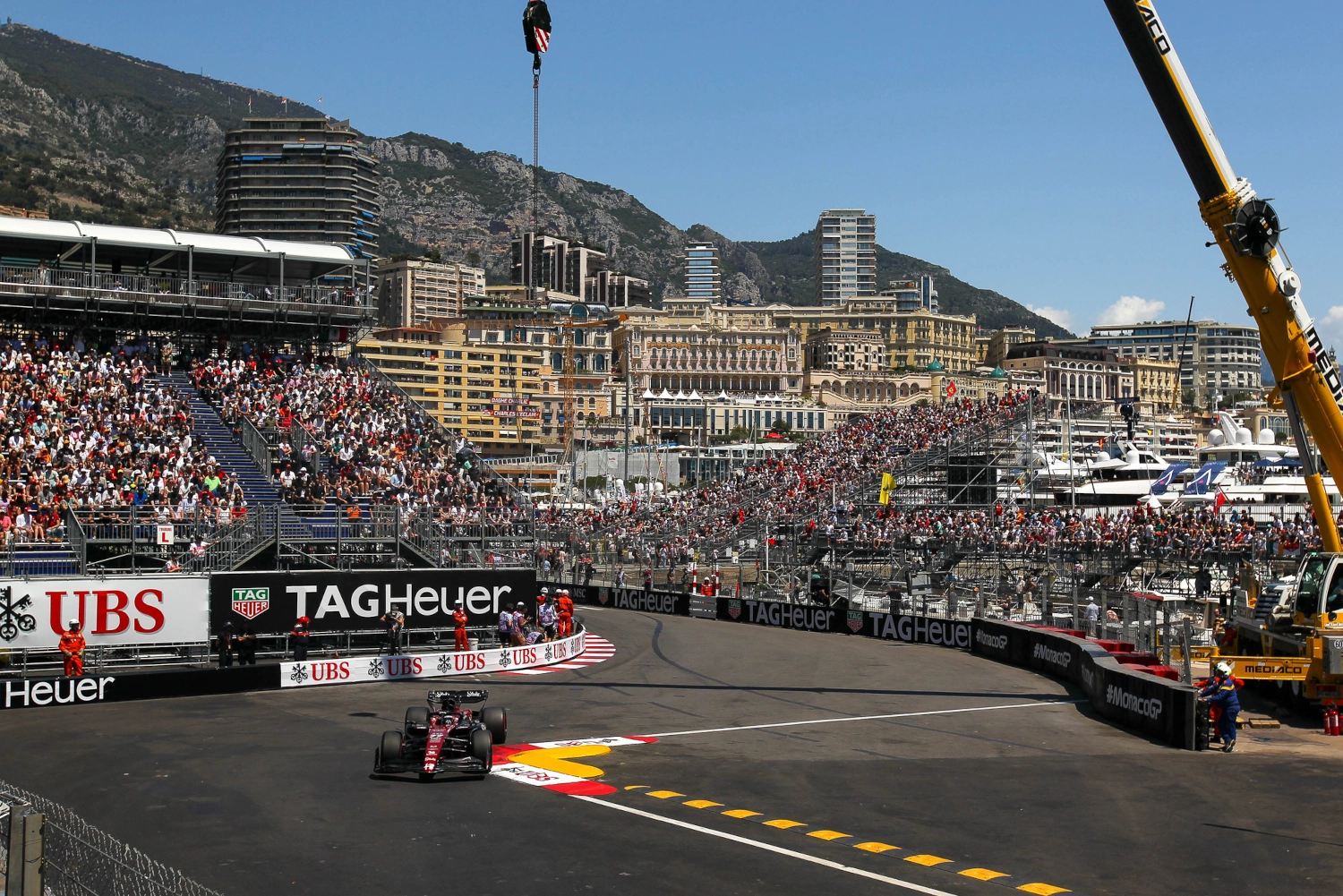
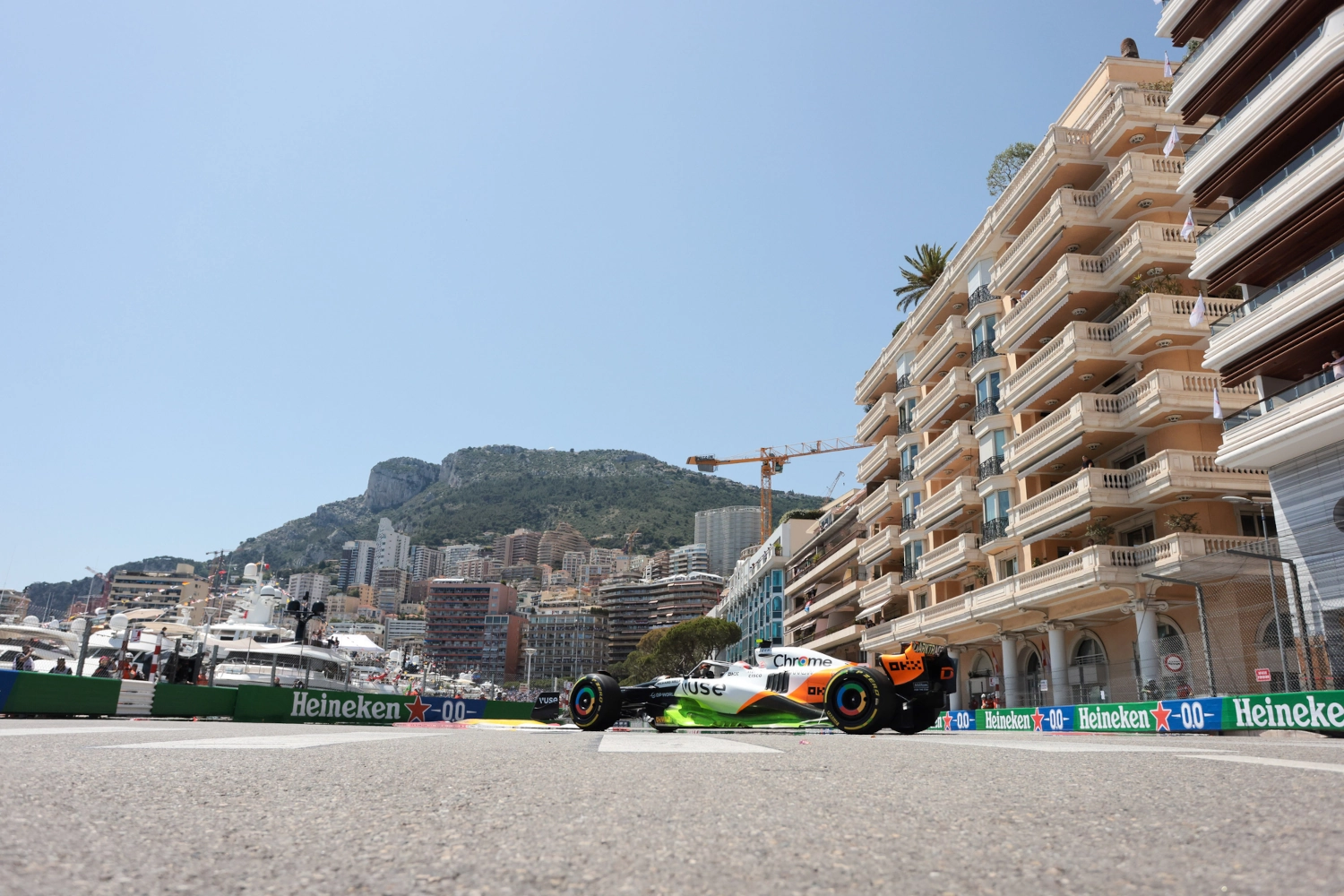
This is the headline case. Monaco’s cars grew wider and heavier over the last decade, while its streets stayed exactly the same. As a result, overtaking is almost nonexistent.
Smaller cars and improved low-speed agility won’t suddenly turn the race into a non-stop overtaking festival — but they should make it easier for drivers to pressure rivals, position themselves better, and force mistakes. Even small gains mean a lot at Monaco.
Another tight street track that currently produces limited overtaking. The 2026 regulations should help cars stay closer through the technical middle sector, making turn 5 and turn 7 more viable attack zones.
The castle section is famously narrow and awkward for modern F1 cars. Smaller dimensions will help.
But the real benefit comes from the new active aero + electric override combination on Baku’s enormous main straight. Expect bigger closing speeds and more divebomb attempts into turn 1.
A track combining street-circuit corners with massive straights. Lower drag and higher electric boost should significantly improve overtaking, while a smaller car footprint helps through the 90-degree braking zones.
These are tracks where fast corners punish the chasing car, making race pace spread out and overtaking rare. Because 2026 cars will generate less dirty air and rely less on ground effect, they should be able to follow through high-speed sections more effectively.
Perhaps the most aero-sensitive circuit in the world. Currently, drivers lose grip through the opening Esses when following another car, killing overtaking chances later in the lap.
The 2026 design aims to reduce this effect — and Suzuka could become one of the best tests of the new era.
Even with layout changes, Barcelona still suffers from long, loaded corners where wake turbulence destroys front-end grip. If 2026 cars truly produce less aero disturbance, this is one race that could see a dramatic improvement in raceability.
Austin mixes Suzuka-style complexes with heavy braking zones. The first sector has long been difficult for chasing drivers. With less aero sensitivity and improved mid-corner stability, cars should stay close through the Esses, opening up chances into turn 11 and turn 12.
Already a strong overtaking track, but 2026 could make it even better. Cars should sit closer through the middle sector and then use active aero + override to launch moves into turn 3 or turn 4.
Often compared to “Monaco without walls,” this track is notoriously difficult for overtaking because of tight corners and long aero-sensitive sequences.
The combination of smaller cars and reduced downforce reliance could finally inject life into the Hungarian GP’s race action.
Tracks dominated by long straights should benefit from the new low-drag active aero mode (“X-mode”) and override boost, which help following cars gain higher top-speed deltas compared to today’s DRS.
The Temple of Speed is built for slipstreaming — and 2026 cars may supercharge this effect. Expect bigger braking duels into turn 1 with less drag and more electric deployment.
Baku appears twice on this list because it uniquely contains:
Few tracks stand to gain more from 2026.
Thin air reduces downforce and increases straightspeed differences. With active aero and higher electric power, we may see more dramatic moves into turn 1.
Fast, flowing and filled with near-flat-out sections. Active aero should allow drivers to trim drag aggressively on these sections and then regain stability for the blind corners.
The Spanish Grand Prix will relocate to Madrid, a state-of-the-art hybrid semi-street track built with the new rules in mind, starting in 2026.
Madrid may serve as a showcase for what the younger generation is capable of because it is being built around the realities of smaller, more electric, active-aero vehicles. Because circuits like this are designed for the modern era from the start, they are probably going to be beneficial.
It’s important to stay grounded:
Still, the overall direction suggests that 2026 will help many circuits that have suffered most under the current generation of heavy, aero-sensitive cars.
The 2026 rules are intended to unleash racing potential that the current Formula 1 vehicles are just unable to provide. Tight street circuits might be able to breathe at last. Technical tracks at high speeds could have a sizable fan base. Large electric-boost battles may replace DRS trains on long straights.
Even though no rule change is flawless, 2026 could change the way some races play out and bring excitement back to long-boring circuits.
At Fastway1.com, you can compare tickets for every Grand Prix on the calendar, including the circuits expected to shine under the new 2026 rules. Plan your next race with confidence and find the best options for your budget and travel style.
Q: What makes Fastway1.com different from other ticket sellers?
A: Fastway1.com is the only Formula 1 ticket aggregator globally, offering a comprehensive search engine that compiles ticket data from multiple sellers to help fans find available tickets, even when others are sold out.
Q: How does Fastway1.com ensure ticket authenticity?
A: Fastway1.com partners only with established resellers and screen all our partners. However, we do not directly confirm the authenticity of tickets.
Q: Can I purchase tickets directly from Fastway1.com?
A: No, Fastway1.com does not sell tickets directly. Instead, it provides a platform for users to compare prices and availability from partner seller websites, where the actual purchase is completed.
Q: What types of tickets can I find on Fastway1.com?
A: Fastway1.com offers comprehensive listings for various F1 ticket categories, allowing users to filter searches by race and ticket type to find the best options for their needs.
Q: Does Fastway1.com offer any additional services?
A: Not directly, but Fastway1.com has partnered with Booking.com to provide hotel booking options at Booking.com, making it easy for fans to plan their entire Formula 1 experience.
Q: Is Fastway1.com affiliated with Formula 1?
A: Fastway1.com is not affiliated with, endorsed by, or in any commercial partnership with Formula 1 or its associated companies. It operates independently to provide a valuable service to F1 fans.
Q: How can I contact Fastway1.com for support?
A: For any inquiries or support, you can contact Fastway1.com via email at info@fastway1.com. The customer support team aims to respond within 24 hours.
Q: What are the future plans for Fastway1.com?
A: Fastway1.com plans to expand its services beyond ticket sales, including a travel builder tool for planning trips and a future mobile app focused on simplicity and speed. The company also aims to increase partnerships with Formula 1 teams and race organizers.