.svg)





What you miss by choosing Sunday-only tickets instead of a full weekend pass
April 3, 2026

Not every Formula 1 race gives you the same balance between a great city break and an easy race weekend.
Some Grands Prix are excellent city trips but come with a noticeable commute to the circuit. Others are easy to attend once you are there, but do not give you much of a real city experience around the race. For this article, the best options are the races where those two things support each other: places where you can enjoy a proper destination and still get to the track without turning every day into a transport project.
The short answer is that the best F1 races for combining city life with race weekend convenience are Monaco, Zandvoort, Montreal, Budapest, and Singapore. They stand out because they let you stay in a genuinely enjoyable base while keeping race access relatively simple by train, metro, walking, or short public-transport connections. A slightly broader group also includes Melbourne, Madrid, Barcelona, and Monza, though those come with a few more caveats.
For this kind of ranking, the key question is not just whether the city is good or whether the circuit is easy to reach. It is whether the two fit together well. The strongest races have a city or destination that is worth spending time in, accommodation that does not force you into remote circuit camping or car dependence, and a transport setup that keeps the track practical without dominating the whole weekend.
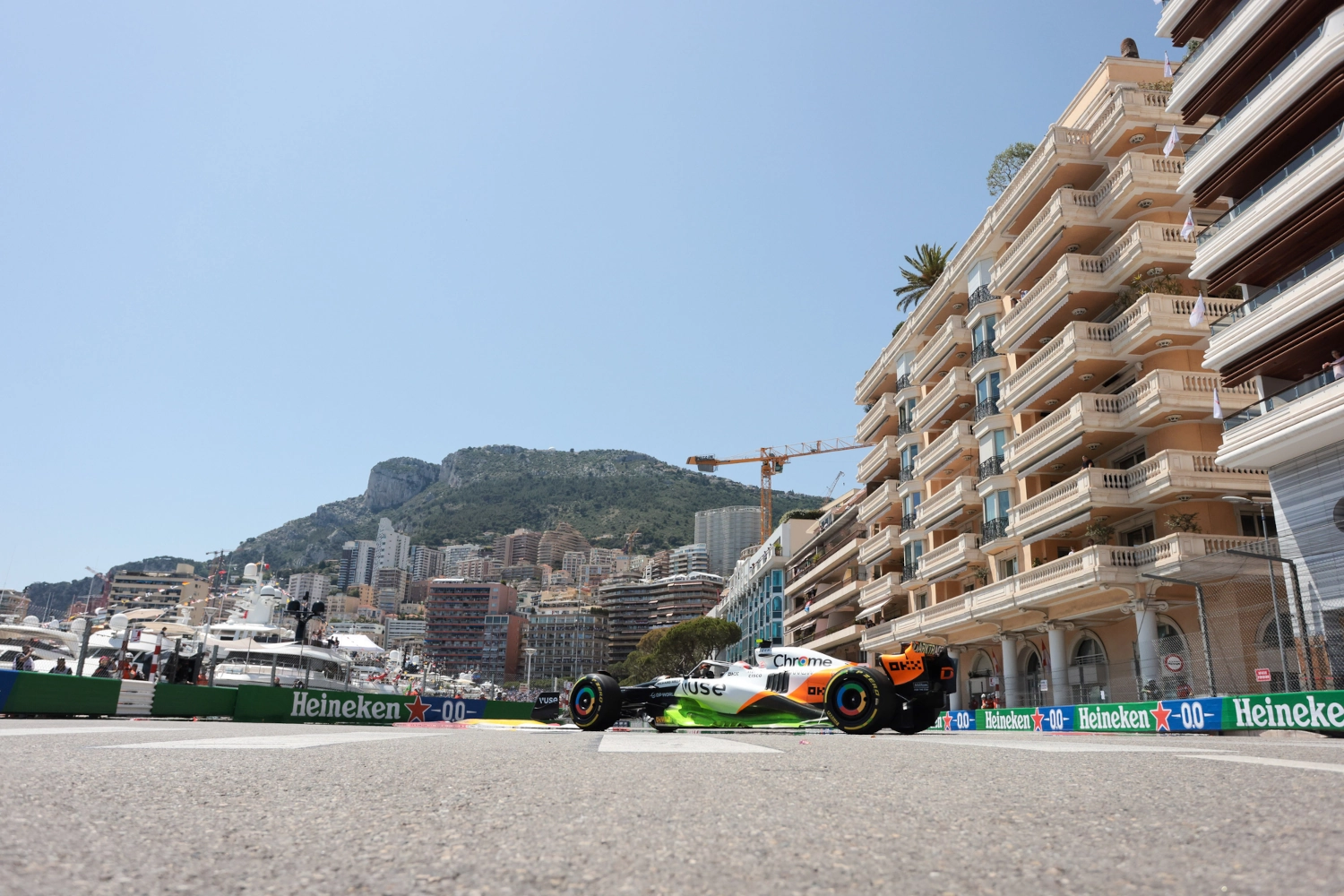
Monaco is probably the clearest answer overall because the race and the destination are almost impossible to separate.
Official Monaco Grand Prix travel guidance explains that the event is easy to reach from Nice Airport and from the regional rail network, while Monaco’s own visitor information emphasizes how well the Principality works on foot. Monaco also has its network of lifts, escalators, and travelators, which helps make movement through the city far easier than the geography might suggest.
That matters because Monaco is one of the only races where the circuit does not feel like a separate destination from the city. The city is the circuit, and the circuit is the city. You can stay in Monaco itself or use Nice as a larger and often more practical hotel base, then move in by train or along the coast without feeling like the race is breaking the trip into two separate parts.
This is what makes Monaco such a strong fit for the article. It is not just convenient. It is integrated in a way almost no other race can match.
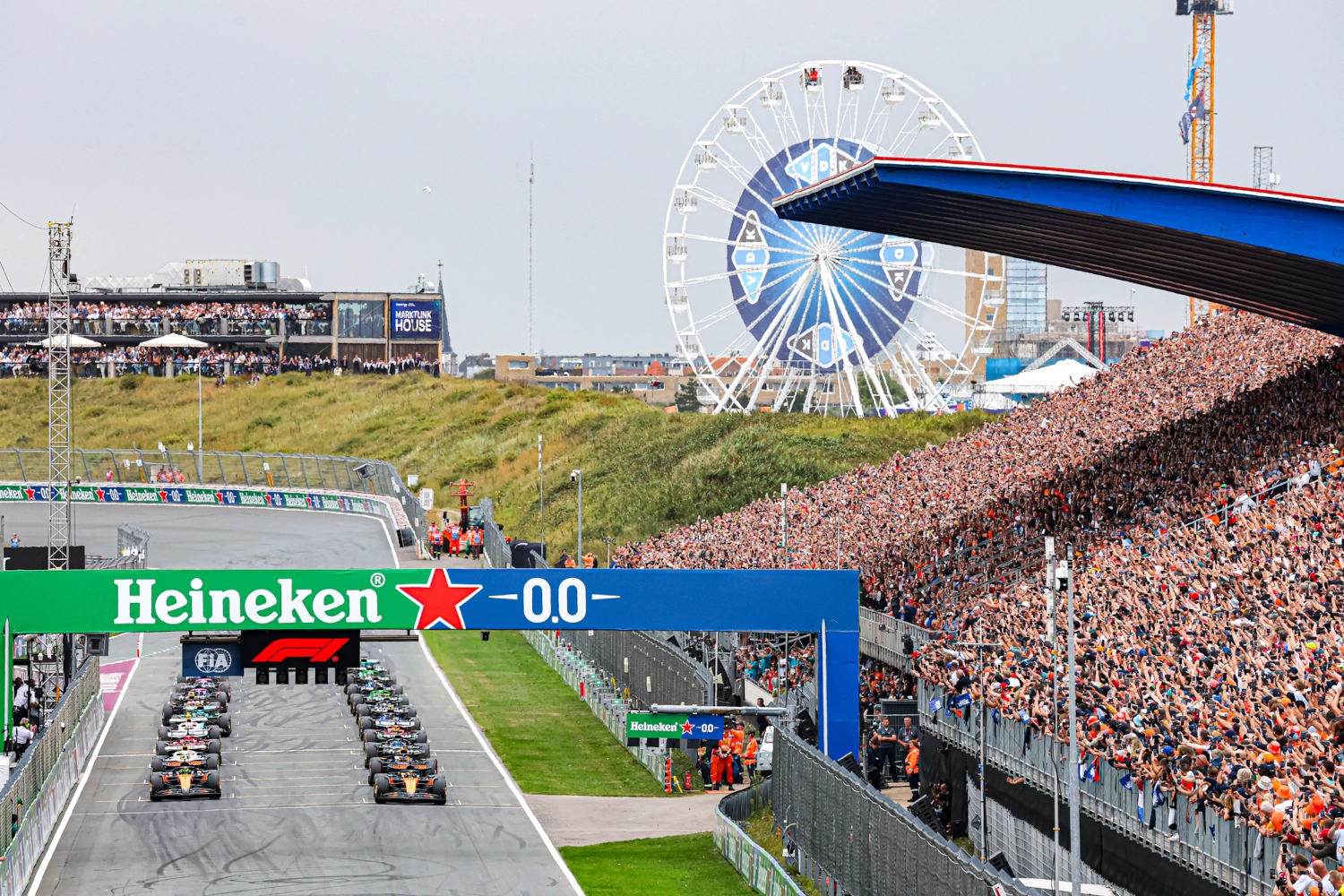
Zandvoort is one of the best examples of a race where the city-break option and the race-weekend option both work extremely well.
Official Dutch Grand Prix transport guidance says there are 12 trains per hour between Amsterdam Centraal and Zandvoort aan Zee on race weekend, while Dutch rail and tourism sources put the trip at roughly 30 to 31 minutes. That is unusually strong by F1 standards, because it lets fans stay in a major city and still reach the circuit in a simple, repeatable way.
What makes Zandvoort especially good is that it gives you two different versions of the trip. You can stay in Amsterdam for the full city-break feel, or stay in Zandvoort itself for a more local beach-town race weekend. Either way, the combination is strong. Amsterdam gives you one of Europe’s best city bases, while Zandvoort adds the seaside atmosphere that makes the whole weekend feel a little less intense than a standard remote-track event.
The main caveat is that easy does not mean crowd-free. Official Dutch GP guidance warns that waiting times at Zandvoort station can still reach up to 60 minutes after sessions. But even with that, this remains one of the strongest city-life-plus-convenience races on the calendar.
Montreal is one of the best races in Formula 1 if you want the city and the race to feel like part of the same weekend.
Official Canadian Grand Prix transport guidance says the best way to reach Circuit Gilles Villeneuve is by public transport, especially via Jean-Drapeau station, followed by a 15 to 20 minute walk to the track. Parc Jean-Drapeau also emphasizes that the site is just five minutes from downtown Montreal, which is a very strong city-to-circuit relationship.
That makes Montreal a particularly appealing option because the city itself is such a natural base. You can stay downtown, enjoy the restaurants and atmosphere of Grand Prix week, and still get to the circuit without the weekend becoming a story about parking, remote shuttles, or awkward transfers. The race feels central to the trip rather than separate from it.
If Monaco is the most integrated city-circuit weekend, Montreal is one of the best examples of a race where a proper city stay still feels effortlessly connected to the venue.
Budapest is one of the strongest “city first, race second” options on the calendar.
Official airport and city transport pages show that the 100E Airport Express links Budapest Airport directly to Deák Ferenc tér, one of the city’s most important transport hubs, and it runs throughout the day and night. That makes Budapest a very easy city to arrive into, and the city itself is already one of the strongest bases on the calendar for a longer weekend.
Hungaroring is not embedded in the city the way Monaco or Singapore are, so this is a slightly different kind of recommendation. Budapest works because the city side of the equation is so strong that the race commute still feels worthwhile. You can have a very good city-break experience around the event, and the transport infrastructure is strong enough that the circuit does not ruin that balance.
So Budapest is not the most integrated race weekend on this list, but it is one of the best if your priority is a genuinely enjoyable city base with a practical enough route to the track.
Singapore belongs near the top because it is one of the cleanest examples of a true urban race weekend.
Formula 1’s official Singapore transport guide says most gates are within walking distance of an MRT station, and the Marina Bay setting means the race sits directly inside one of the city’s most recognizable central districts. That creates a very rare kind of race weekend where the hotel, restaurants, sightseeing, and circuit all overlap naturally.
This is what makes Singapore so strong for this theme. You do not need to choose between city life and race convenience. They are essentially happening in the same zone. If you stay around Marina Bay or elsewhere in central Singapore, the weekend becomes much more about moving around the city normally than “traveling to the circuit” in the traditional sense.
The only real caveat is that Singapore is still a dense, high-demand event, so official guidance advises fans to allow extra time because congestion is likely. But in structural terms, very few races combine city access and race logistics this well.
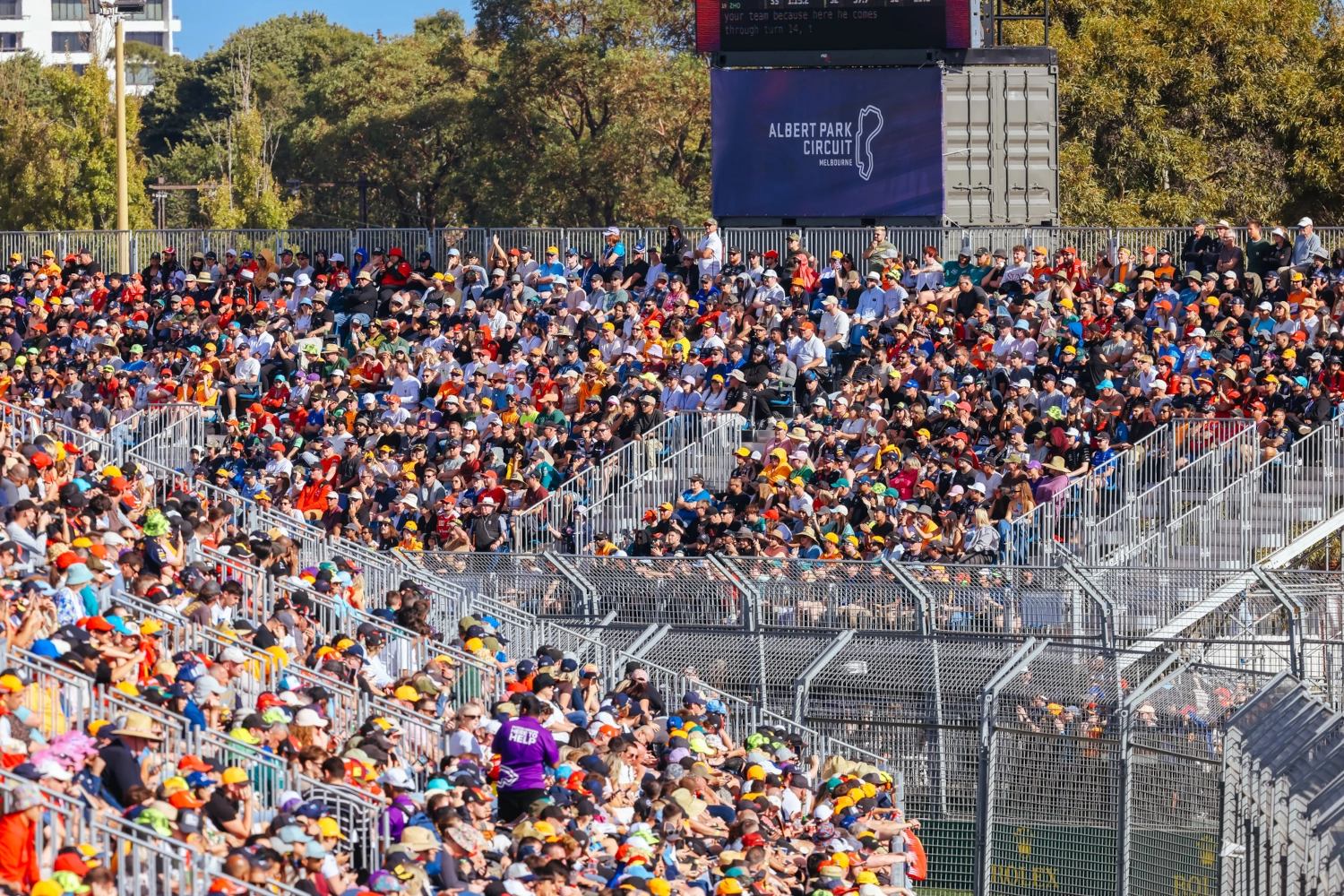
Melbourne is one of the strongest city-race weekends outside the top five because Albert Park feels very closely tied to the city.
Official Victorian transport guidance says shuttle trams from the city to Albert Park are free with a Grand Prix ticket, and the official event guidance makes clear that there is no public parking at the circuit, which reinforces how strongly the weekend is built around public transport rather than driving.
That makes Melbourne a very good choice for fans who want to stay in a major city and keep the race weekend simple. It may not be quite as integrated as Singapore or Monaco, but it still offers one of the cleaner city-to-circuit relationships on the calendar.
Madrid is one of the most interesting new additions for 2026 because it looks very promising on paper for exactly this kind of article.
The official MADRING site says the circuit will be located in the city, just five minutes by car from Madrid-Barajas Airport, and expects around 90% of attendees to arrive by public transport. That is a very strong starting point for a first-edition race, especially because Madrid itself is already a major European capital with a deep hotel, food, and nightlife base.
The reason Madrid sits below the proven top group is simple: it is still a first-edition Grand Prix. The city-life side looks very strong, and the accessibility plan is clearly ambitious, but until the event actually runs, it makes sense to treat Madrid as a highly promising option rather than a fully proven one.
Barcelona still deserves a place because the city itself is one of the strongest on the calendar, but the circuit access is more commute-based than the top group.
Circuit de Barcelona-Catalunya’s official access page says the track is about 32 km from Barcelona and can be reached by a combination of train and bus options. That keeps it practical, but it still means Barcelona works more as a great city plus manageable race commute than as a race embedded directly into urban life.
That is why Barcelona is strong, but not quite elite for this exact theme. The city is excellent, and the circuit is reachable, but the connection between the two is a little looser than in Montreal, Singapore, or Monaco.
Monza belongs here mainly because Milan is such a strong base city, not because the city-to-circuit link is especially smooth.
Formula 1’s own Monza transport guide says the Autodromo is about 6.6 km from Monza station, usually requiring shuttle buses and then a 10 to 20 minute walk. Monza’s official access information also makes clear that getting to the circuit often means stitching together several transport steps rather than using one especially simple city-to-track connection.
That does not make Monza a bad option. In fact, it remains a very good race if you want Milan’s city life and are happy to accept a more involved journey to the circuit. But that is the key trade-off: Monza is strong on city life and weaker on convenience than the best races in this article.
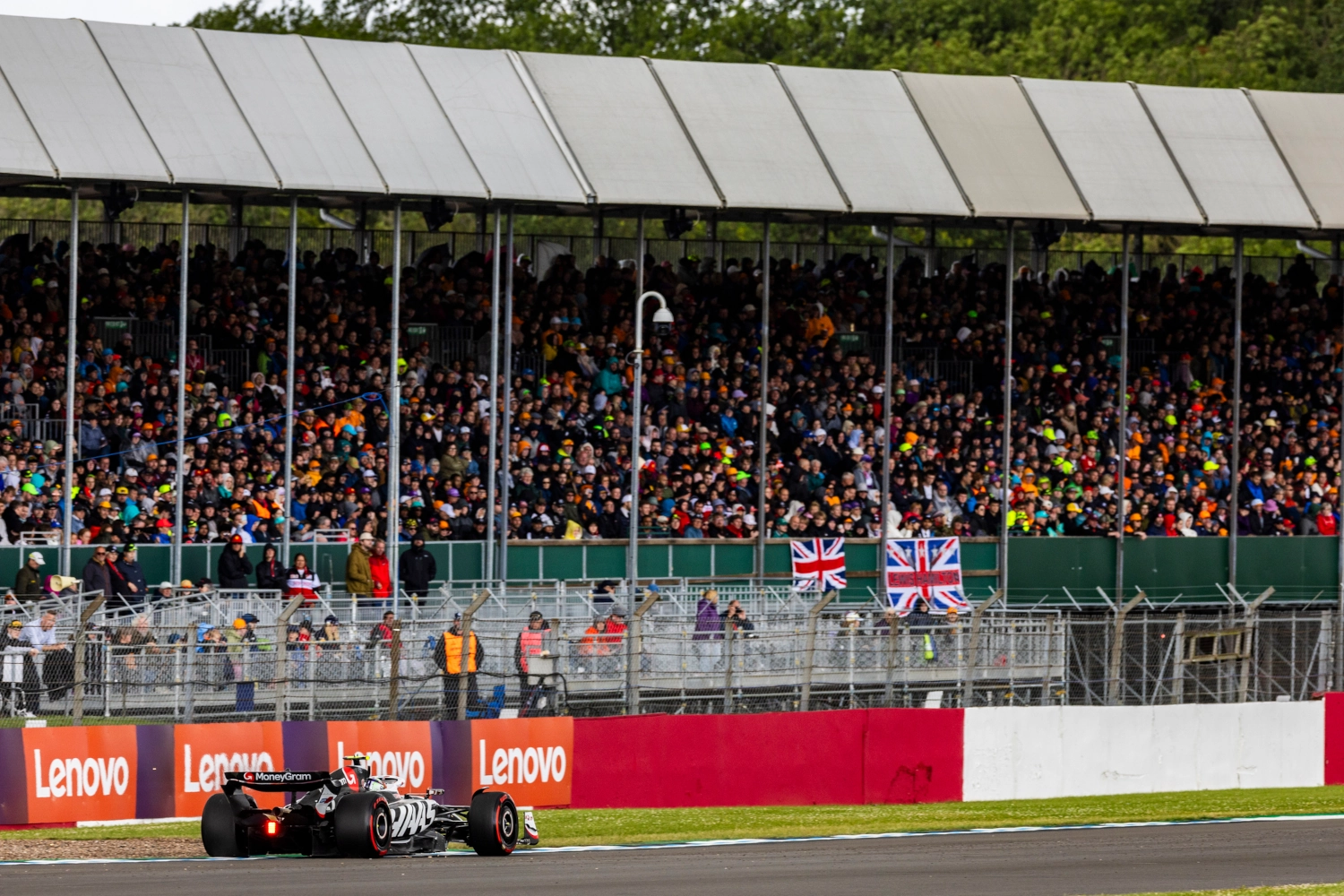
Silverstone is a huge event, but it is not one of the best fits here because the official transport model still leans heavily on park and ride and buses rather than one simple city-to-circuit connection. That makes it a great race weekend, but not one of the cleanest city-life-plus-convenience combinations.
Spa has enormous motorsport appeal and beautiful surroundings, but it is harder to describe as a city-based convenient weekend in the same way as the top races above. It works better as a motorsport trip than as a city-life race. This is an inference from its location and transport pattern compared with the more urban options above.
The best F1 races for combining city life with race weekend convenience are the ones where the destination and the circuit make each other easier to enjoy.
That is why Monaco, Zandvoort, Montreal, Budapest, and Singapore stand out most clearly. Monaco is the most fully integrated city-circuit experience. Zandvoort gives you a rare city-plus-beach combination with excellent rail access. Montreal offers one of the cleanest city-to-track weekends in North America. Budapest is a great city base with a practical enough race commute. Singapore may be the most complete modern example of a race fitting directly into city life.
Melbourne, Madrid, Barcelona, and Monza also deserve attention, but they each come with more caveats around either circuit access or how proven the setup is. The strongest choices are still the races where you can enjoy the destination properly without turning the circuit into a daily logistical challenge.
Fastway1 helps you compare Formula 1 ticket options across trusted sellers in one place. You can browse each race, compare ticket types, and choose the kind of weekend that suits you best — whether that means a city-centre street circuit, a beach-town race trip, or a classic Grand Prix with a strong urban base. Once you find an option you like, click through to the seller to confirm the exact section, day(s) included, and delivery method before you buy.
Q: What makes Fastway1.com different from other ticket sellers?
A: Fastway1.com is the only Formula 1 ticket aggregator globally, offering a comprehensive search engine that compiles ticket data from multiple sellers to help fans find available tickets, even when others are sold out.
Q: How does Fastway1.com ensure ticket authenticity?
A: Fastway1.com partners only with established resellers and screen all our partners. However, we do not directly confirm the authenticity of tickets.
Q: Can I purchase tickets directly from Fastway1.com?
A: No, Fastway1.com does not sell tickets directly. Instead, it provides a platform for users to compare prices and availability from partner seller websites, where the actual purchase is completed.
Q: What types of tickets can I find on Fastway1.com?
A: Fastway1.com offers comprehensive listings for various F1 ticket categories, allowing users to filter searches by race and ticket type to find the best options for their needs.
Q: Does Fastway1.com offer any additional services?
A: Not directly, but Fastway1.com has partnered with Booking.com to provide hotel booking options at Booking.com, making it easy for fans to plan their entire Formula 1 experience.
Q: Is Fastway1.com affiliated with Formula 1?
A: Fastway1.com is not affiliated with, endorsed by, or in any commercial partnership with Formula 1 or its associated companies. It operates independently to provide a valuable service to F1 fans.
Q: How can I contact Fastway1.com for support?
A: For any inquiries or support, you can contact Fastway1.com via email at info@fastway1.com. The customer support team aims to respond within 24 hours.
Q: What are the future plans for Fastway1.com?
A: Fastway1.com plans to expand its services beyond ticket sales, including a travel builder tool for planning trips and a future mobile app focused on simplicity and speed. The company also aims to increase partnerships with Formula 1 teams and race organizers.


