.svg)





Monaco F1 tickets: Which options sell out first
December 31, 2025

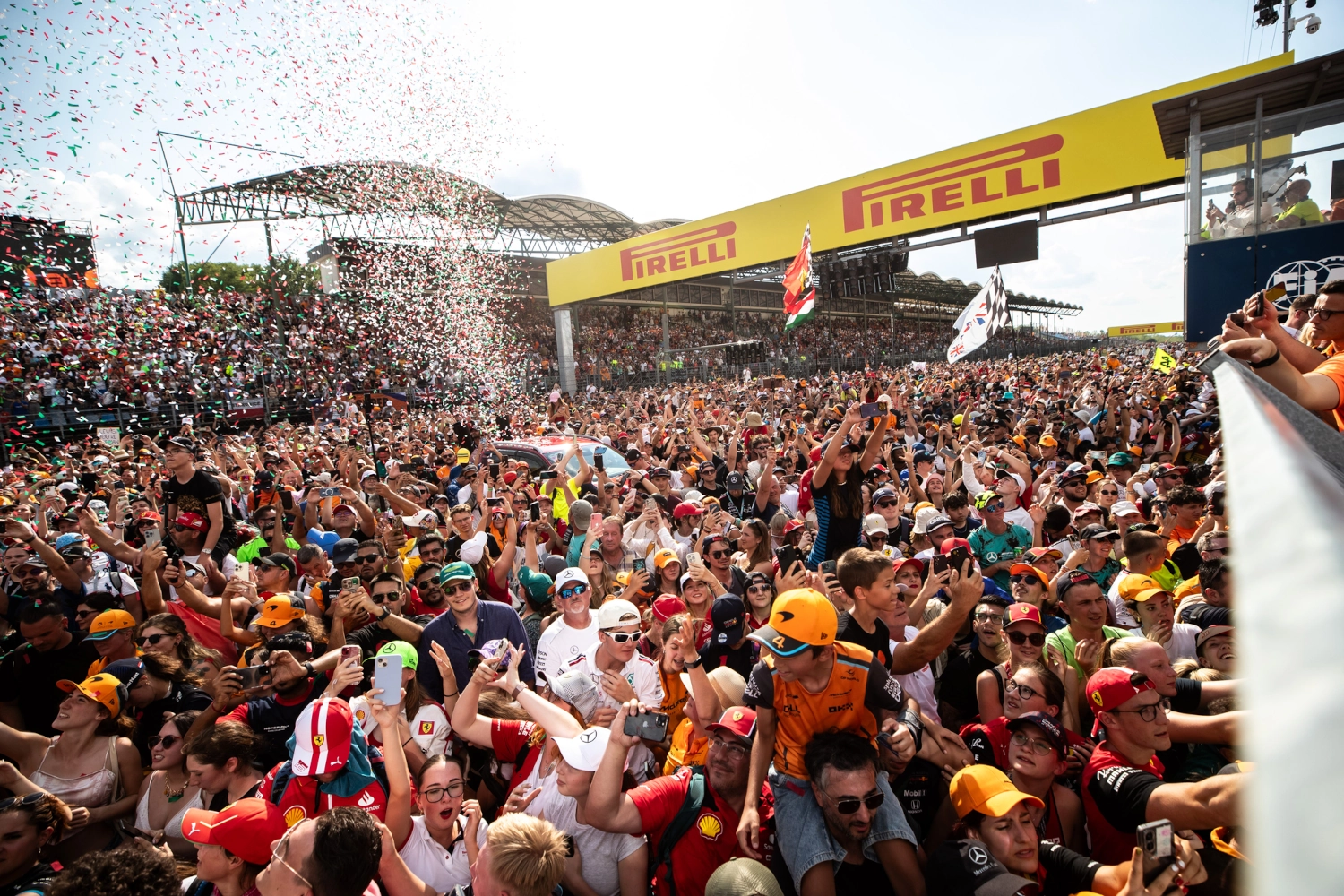
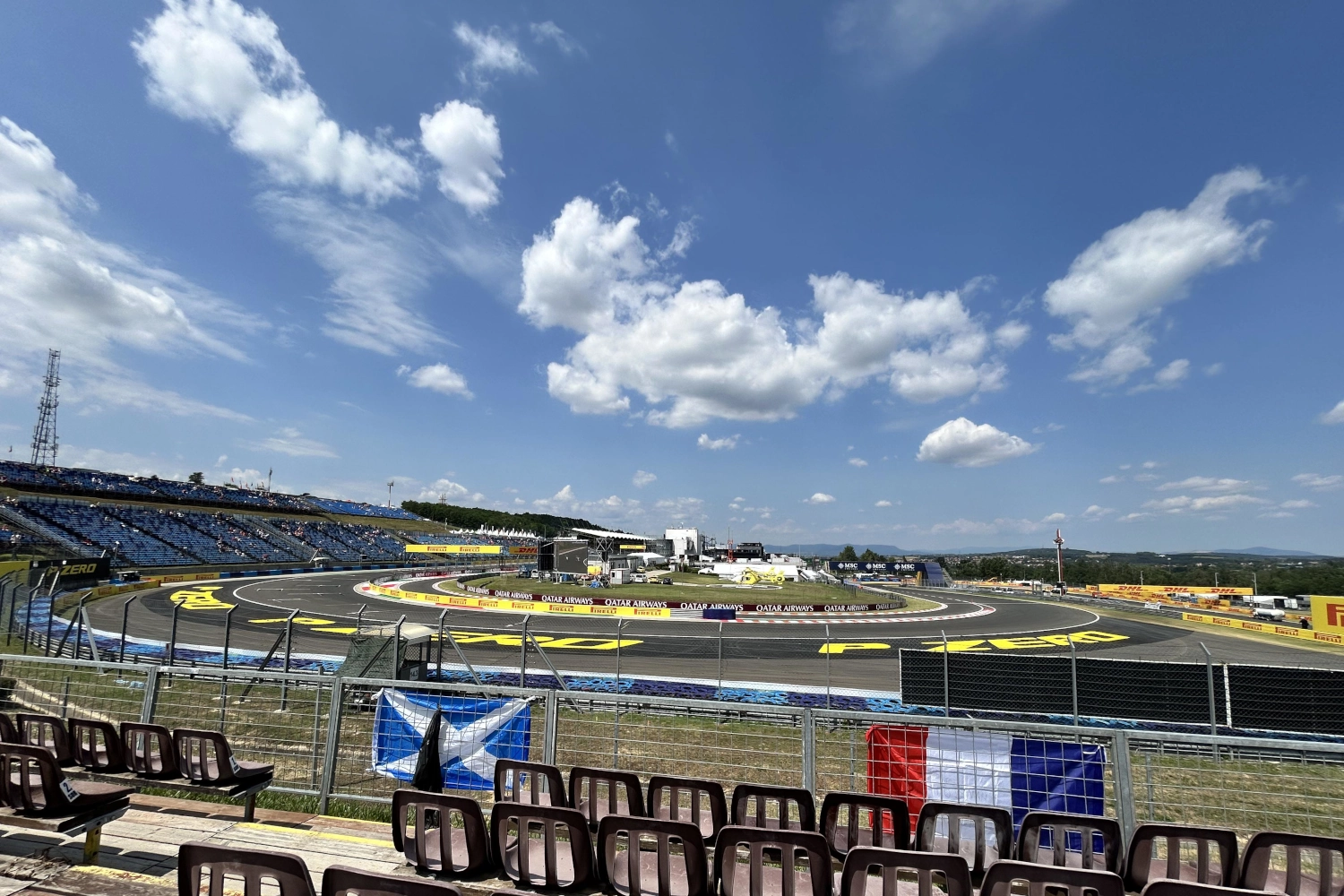
The Hungarian Grand Prix is one of those races where the “best” grandstand depends heavily on what you want from the weekend. Hungaroring is known for technical corners, elevation, and long views across parts of the circuit, but not every seat gives you the same kind of experience.
Some grandstands are better for race action. Others are better for comfort, atmosphere, or seeing the start and finish. And in 2026, that matters even more because Hungaroring’s rebuilt main grandstand area changes the value equation compared with older advice fans may still find online.
The short answer is this: T1 looks like one of the strongest all-round picks for pure on-track action, the new Hungaroring grandstand looks best for comfort and main-straight atmosphere, and Apex / Grand Prix-style seats may be some of the smartest value options in 2026.

If you use the Fastway1 track map while reading this, it becomes much easier to understand the trade-offs between the three main viewing zones: the main straight, Turn 1, and the final sector.
For most buyers, the stands that look most worth considering are:
That does not mean the most expensive seat is automatically the best seat. At Hungaroring, “worth it” is really about whether you care most about action, comfort, ceremony, or value.
If you want a grandstand that is easiest to recommend without too many caveats, T1 is probably it.
Turn 1 is one of the most important overtaking zones at Hungaroring, and that already gives it an advantage over many other seats around the circuit. You are not just watching cars flash by on a straight. You are watching braking, position fights, first-lap tension, and one of the most important corners of the lap.
That is usually what makes a seat feel worth the money.
For a lot of fans, the best grandstands are the ones where something is always about to happen. T1 fits that better than most of the circuit. It is especially appealing if you have already been to a Grand Prix before and care more about the actual racing than about being near the podium or pit building.
If T1 is the clearest action seat, Pit Exit looks like a very strong premium alternative.
This area gives you some of the energy of the main straight, but with the added benefit of seeing cars charge toward Turn 1. That can make it feel like more of a hybrid choice: part ceremony, part speed, part braking-zone tension.
For some fans, that balance may actually be more appealing than sitting directly at Turn 1. If you want something a little closer to the start/finish side of the circuit without fully giving up the racing feel, Pit Exit looks like one of the more interesting 2026 options.
The rebuilt Hungaroring grandstand looks like the premium comfort option in 2026.
This is the seat for people who want the full main-straight experience: the build-up before lights out, pit-lane atmosphere, the finish, and a more polished overall setting. The fact that the new main grandstand is covered makes it even more attractive, especially at a race where heat and sun exposure can be a real factor over a full weekend.
That said, this is where “best” and “worth it” start to split apart.
If your number one priority is watching overtakes and wheel-to-wheel action, this may not be the best value seat on the circuit. You are paying a premium for comfort, infrastructure, and event theatre. For some buyers, that is absolutely worth it. For others, a cheaper stand elsewhere may deliver a better actual race-viewing experience.
So the Hungaroring grandstand is best seen as the comfort buy, not automatically the best buy for everyone.
If you are attending the Hungarian Grand Prix for the first time, Grid 1 and Grid 3 are easy seats to understand.
These are the types of seats people choose when they want to feel close to the ritual of Formula 1: the grid filling up before the race, the start sequence, the finish line moment, and the podium area afterwards. For some fans, that is exactly what makes a Grand Prix feel special.
That is why these seats can be very worth it for first-time visitors.
But they are also a good example of how seat value depends on what kind of fan you are. If you care more about racing than ceremony, T1 may still be the better use of money. If you want the classic “I’m at an F1 race” feeling, Grid seats make a lot of sense.
This is where the article gets interesting.
The Apex and Grand Prix grandstands look like some of the most promising value seats for 2026 because they sit around the final sector and the run onto the main straight. That can give you a broader sense of the lap and, in some areas, more track in view than you might get from the main straight itself.
For many buyers, that is exactly the sweet spot.
You are not paying Hungaroring grandstand money, but you are still getting a seat that can feel more complete than a pure straight-line view. These are the types of stands that often end up being the most satisfying after the weekend, because they offer a strong viewing experience without pushing too far into premium pricing.
If you are trying to balance price, track visibility, and overall experience, Apex and Grand Prix-style seats are probably among the most interesting options on the board.
Not everyone wants to pay for the premium zones, and that is where Chicane 1 and Chicane 2 become relevant.
These stands look like the kind of options that are easy to overlook, but can still be good value if your expectations are realistic. They are cheaper, they still give you a proper seat, and they may offer more on-track interest than people assume.
These are probably not the “best” stands at Hungaroring in an absolute sense. But they may be among the most worth it if your goal is simply to get a reserved seat without spending close to the top end of the grandstand range.
That makes them a good fit for budget-conscious buyers who still want a more structured race-day experience than General Admission.
The Fan stands look more situational.
They can make sense for people who like being closer to fan activity and the energy around that side of the venue, but they do not stand out as clearly as T1, Hungaroring, or the final-sector value seats. In other words, they do not seem like the first answer for most buyers unless the exact location on the Fastway1 map matches the kind of weekend you want.
So they are not necessarily poor choices. They just do not appear to be the strongest “default recommendation” compared with the clearer options elsewhere.
One thing worth keeping in mind is that a lot of fan discussion online still refers to the older grandstand naming system.
That means you will often see people talking about seat categories like Super Gold, Gold, Silver, and Bronze, while 2026 ticketing uses the newer naming around Hungaroring, Grid, Pit Exit, T1, Chicane, Fan, Apex, Grand Prix, and Podium.
So older fan advice is still useful, but it has to be read carefully.
The best way to use that older information is not to match every name exactly, but to understand the broader logic behind it:
That is another reason why the Fastway1 track map is helpful here: it lets you think in terms of where you are sitting, not just what the ticket category is called.
For most buyers, the most practical answer looks like this:
That is really the heart of it.
The most expensive seat is not automatically the most worth it. At Hungaroring, the smartest choice usually comes from matching the grandstand to the kind of race weekend you actually want.
If you want overtakes and braking zones, lean toward T1.
If you want comfort and a premium main-straight setting, lean toward Hungaroring.
If you want a balanced seat without paying top-tier prices, Apex and Grand Prix may be the sweet spot.
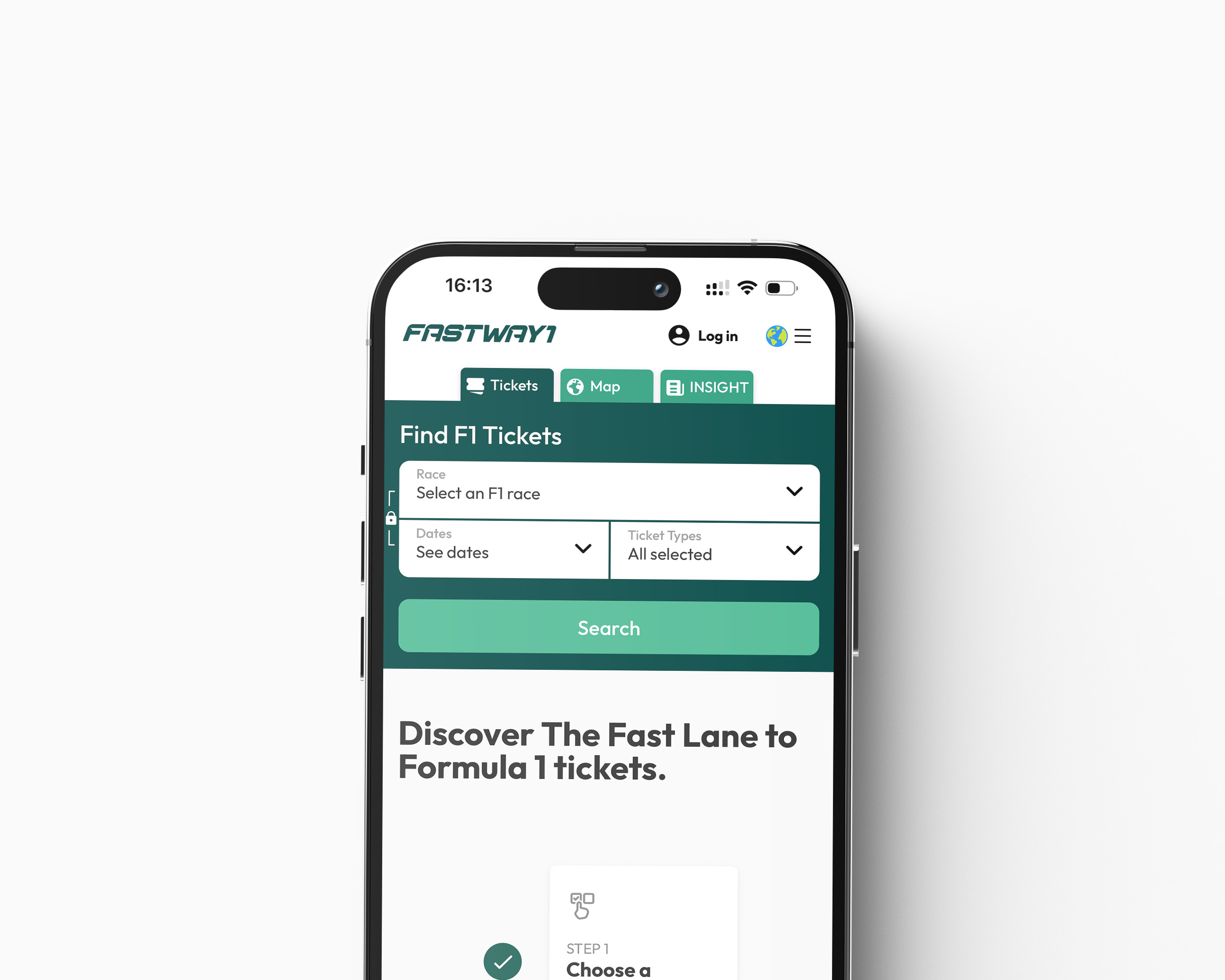
Fastway1 helps you compare Formula 1 ticket options across trusted sellers in one place. You can browse each race and filter by Ticket Type — General Admission, Grandstands, and Hospitality — then use the track map to understand where each option sits around the circuit. Once you find an option you like, click through to the seller to confirm the exact section, day(s) included, and delivery method before you buy.
Q: What makes Fastway1.com different from other ticket sellers?
A: Fastway1.com is the only Formula 1 ticket aggregator globally, offering a comprehensive search engine that compiles ticket data from multiple sellers to help fans find available tickets, even when others are sold out.
Q: How does Fastway1.com ensure ticket authenticity?
A: Fastway1.com partners only with established resellers and screen all our partners. However, we do not directly confirm the authenticity of tickets.
Q: Can I purchase tickets directly from Fastway1.com?
A: No, Fastway1.com does not sell tickets directly. Instead, it provides a platform for users to compare prices and availability from partner seller websites, where the actual purchase is completed.
Q: What types of tickets can I find on Fastway1.com?
A: Fastway1.com offers comprehensive listings for various F1 ticket categories, allowing users to filter searches by race and ticket type to find the best options for their needs.
Q: Does Fastway1.com offer any additional services?
A: Not directly, but Fastway1.com has partnered with Booking.com to provide hotel booking options at Booking.com, making it easy for fans to plan their entire Formula 1 experience.
Q: Is Fastway1.com affiliated with Formula 1?
A: Fastway1.com is not affiliated with, endorsed by, or in any commercial partnership with Formula 1 or its associated companies. It operates independently to provide a valuable service to F1 fans.
Q: How can I contact Fastway1.com for support?
A: For any inquiries or support, you can contact Fastway1.com via email at info@fastway1.com. The customer support team aims to respond within 24 hours.
Q: What are the future plans for Fastway1.com?
A: Fastway1.com plans to expand its services beyond ticket sales, including a travel builder tool for planning trips and a future mobile app focused on simplicity and speed. The company also aims to increase partnerships with Formula 1 teams and race organizers.